Colorado's picturesque landscapes and thriving communities make it an attractive destination for homeowners and investors alike. However, amidst the allure of new construction and real estate development, there lies a potential risk that can significantly impact property values – construction defects.
Understanding how construction defects affect property values is crucial for Colorado homeowners navigating real estate investments and protecting their most valuable assets.
What Are Construction Defects?
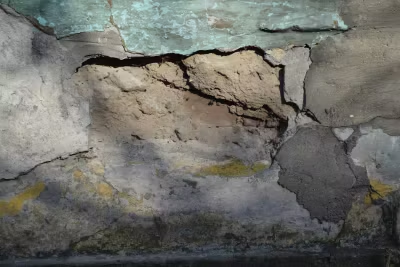
Construction defects encompass a wide range of issues that can arise during the design, construction, or renovation of a property. These problems can manifest in several ways:
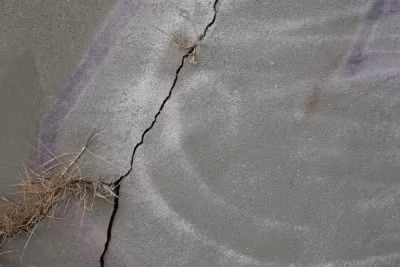
Structural deficiencies that compromise building integrity
Water intrusion leading to moisture damage
Faulty materials that fail prematurely
Poor workmanship that doesn't meet industry standards
Code violations that create safety hazards
Left unaddressed, these issues can compromise the integrity, safety, and value of a property, leading to costly repairs and legal disputes. Learning how to identify signs of construction defects early can help homeowners protect their investments.
How Construction Defects Impact Property Values
Decreased Market Appeal
One of the most significant concerns for homeowners facing construction defects is the impact on property values. In Colorado's competitive and dynamic real estate markets, the presence of defects can deter potential buyers and diminish the perceived value of a property.
Prospective buyers are often wary of investing in homes with known defects for several reasons:
Fear of future repair costs
Concerns about ongoing depreciation
Uncertainty about hidden problems
As a result, properties affected by construction defects may languish on the market, leading to decreased demand and lower selling prices.
Community-Wide Effects
Construction defects don't just affect individual properties. They can tarnish the reputation of entire communities or developments, affecting neighboring properties and contributing to a decline in overall property values.
Homeowners associations (HOAs) and developers may struggle to:
Attract buyers to the community
Secure financing for future projects
Maintain property values throughout the development
This creates a ripple effect that exacerbates the financial repercussions for all affected homeowners in the area.
Legal Rights and Protections for Colorado Homeowners
Understanding Your Legal Options
Colorado homeowners affected by construction defects have legal rights and avenues for recourse to seek compensation for damages and repairs. Colorado's construction defect laws provide specific protections for homeowners, outlining requirements for:
Proper notice procedures
Mediation opportunities
Litigation processes
The Construction Defect Action Reform Act (CDARA)
Colorado's Construction Defect Action Reform Act establishes a framework for addressing construction defect claims. This law requires homeowners to follow specific procedures before filing a lawsuit, including providing proper notice to potentially responsible parties.
Understanding what damages are recoverable under Colorado's Construction Defect Action can help homeowners assess their potential claims.
When to Seek Legal Guidance
Taking Action Early
If you believe your property has been affected by construction defects, seeking legal guidance promptly is crucial. Early action can help preserve evidence and protect your rights under Colorado law.
Consider consulting with a construction defect attorney if you notice:
Structural problems or settlement issues
Water damage or moisture intrusion
Common types of construction defects in your home
Problems with major building systems
The Importance of Professional Assessment
A comprehensive legal consultation can help you:
Assess your case and evaluate potential damages
Understand your rights under Colorado law
Develop a strategic legal approach tailored to your situation
Navigate the complex requirements of construction defect claims
Protecting Your Property Investment
Prevention is Key
While not all construction defects can be prevented, homeowners can take steps to minimize their risk:
Research contractors thoroughly before hiring
Understand key construction contract terms before signing
Be aware of common home improvement scams
Document any issues that arise during construction
Understanding Warranties and Protections
Colorado homeowners should understand what warranties and protections are available to them. This includes knowing whether builder warranties transfer to new homeowners and what coverage may be available through insurance.
Conclusion
Construction defects pose significant challenges for homeowners in Colorado, impacting property values and threatening the integrity of communities. These issues can create lasting financial consequences that extend beyond individual properties to entire neighborhoods and developments.
However, Colorado law provides protections and remedies for affected homeowners. Understanding your rights, taking prompt action when problems arise, and working with experienced legal professionals can help you navigate these complex challenges and protect your property investment.
If you suspect construction defects in your home, don't wait to seek guidance. Taking immediate steps after discovering property damage can help preserve your rights and protect your most valuable asset – your home.
Have Questions About Construction Defects?
Our experienced construction defect attorneys are here to help. Schedule a free 15-minute screening call to discuss your situation.