Tri Pointe Homes is one of the nation's top homebuilders. The company has rapidly expanded across Colorado and the western United States. However, many homeowners are reporting construction defects, warranty frustrations, and safety concerns with their new homes.
If you purchased a Tri Pointe home and are experiencing problems, you may have legal rights under Colorado law.
Common Construction Defects in Tri Pointe Homes
Homeowners across the country have raised concerns about workmanship and building code violations in newly constructed Tri Pointe properties. The most commonly reported issues include:
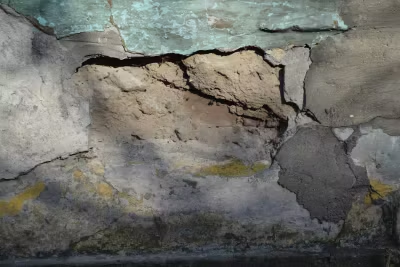
Cracked or defective stucco and exterior siding
Leaking windows, doors, and roofs
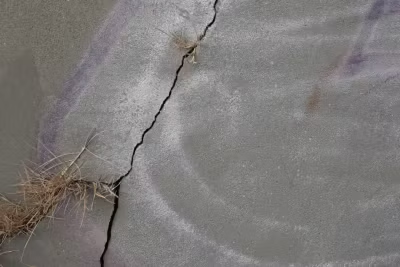
Foundation cracks and soil movement
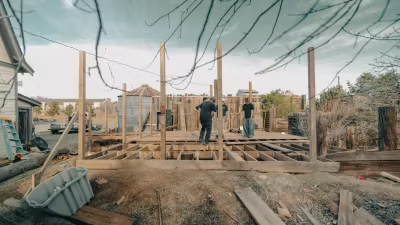
Structural framing deficiencies
Poor drainage and grading leading to basement or crawlspace water intrusion
Mold due to improper ventilation or flashing installation
HVAC, plumbing, and electrical system malfunctions
Delays or denials of warranty repairs, or cosmetic "band-aid" fixes
If your Tri Pointe home has experienced any of these issues, your home may not meet applicable building code requirements or industry construction standards. Learn more about how to identify signs of construction defects in your property.
Your Legal Rights as a Homeowner
Under Colorado construction defect laws, you may be entitled to compensation if your home was built with latent defects or violates warranties or building codes. A claim may include the cost of repairs, reduced property value, and other damages.
When You May Have a Valid Claim
You may have a valid claim if:
You purchased a Tri Pointe home in the past 8 years
Your home has significant physical damage or system failures
You submitted warranty requests that were delayed, denied, or ignored
Repairs made by Tri Pointe did not resolve the issue
Your home does not meet local code requirements or structural standards
Understanding the impact of construction defects on property values can help you assess the full scope of your damages.
Colorado's Construction Defect Laws
In Colorado, homeowners are protected by the Construction Defect Action Reform Act (CDARA) and the Colorado Homeowner Protection Act. These laws create procedures and deadlines for asserting claims, including a required Notice of Claim process.
Important Deadlines and Procedures
Colorado's construction defect laws include specific notice requirements and deadlines. Understanding CDARA's notice and disclosure requirements is crucial for preserving your rights. Missing these deadlines could jeopardize your case.
The statute of limitations for construction defect claims also varies depending on the type of defect and when it was discovered.
Building Your Case
If you suspect construction defects in your Tri Pointe home, taking the right steps early is essential.
Documenting the Problems
Proper documentation is crucial for any construction defect claim. Learn about best practices for documenting construction defects to strengthen your case.
Key documentation includes:
Photos and videos of defects
Repair estimates and invoices
Warranty communications
Weather records (if applicable)
Expert inspection reports
Understanding Potential Damages
Colorado law allows homeowners to recover various types of damages in construction defect cases. Recoverable damages under Colorado's Construction Defect Action Reform Act may include repair costs, reduced property value, and other losses.
Frequently Asked Questions
What construction defects are commonly reported in Tri Pointe homes?
Owners have reported exterior issues (stucco, drainage), structural concerns (foundation, framing), and building-system problems (HVAC, plumbing). Each report should be evaluated against the specific facts of the home.
How does Colorado's CDARA process apply to a Tri Pointe defect claim?
CDARA requires Colorado homeowners to send the builder a formal notice of claim and allow time for inspection and a potential offer of repair or settlement before filing suit. Strict statutory deadlines apply.
What documentation should I gather before pursuing a Tri Pointe defect claim?
Save photos of each defect with dates, original purchase documents, warranty paperwork, inspection reports, builder correspondence, and any repair receipts. Strong documentation is essential to both the CDARA notice and any later litigation.
Next Steps for Tri Pointe Homeowners
If you live in a Tri Pointe home and are dealing with construction defects, taking action promptly is important. The sooner you act, the better your chance of preserving evidence and meeting legal deadlines.
Getting Professional Help
Construction defect cases can be complex. Understanding what kind of lawyer you need to sue a contractor and the costs of hiring a construction defect lawyer can help you make informed decisions about your case.
Many construction defect attorneys work on contingency, meaning you don't pay attorney fees unless you recover compensation. Learn more about attorney fees in Colorado construction defect cases.
Construction defects can be disruptive and costly for homeowners. However, Colorado law provides protections and remedies for homeowners who discover defects in their new homes. Taking prompt action to document problems and understand your legal options is the first step toward resolving these issues.
Have Questions About Construction Defects?
Our experienced construction defect attorneys are here to help. Schedule a free 15-minute screening call to discuss your situation.