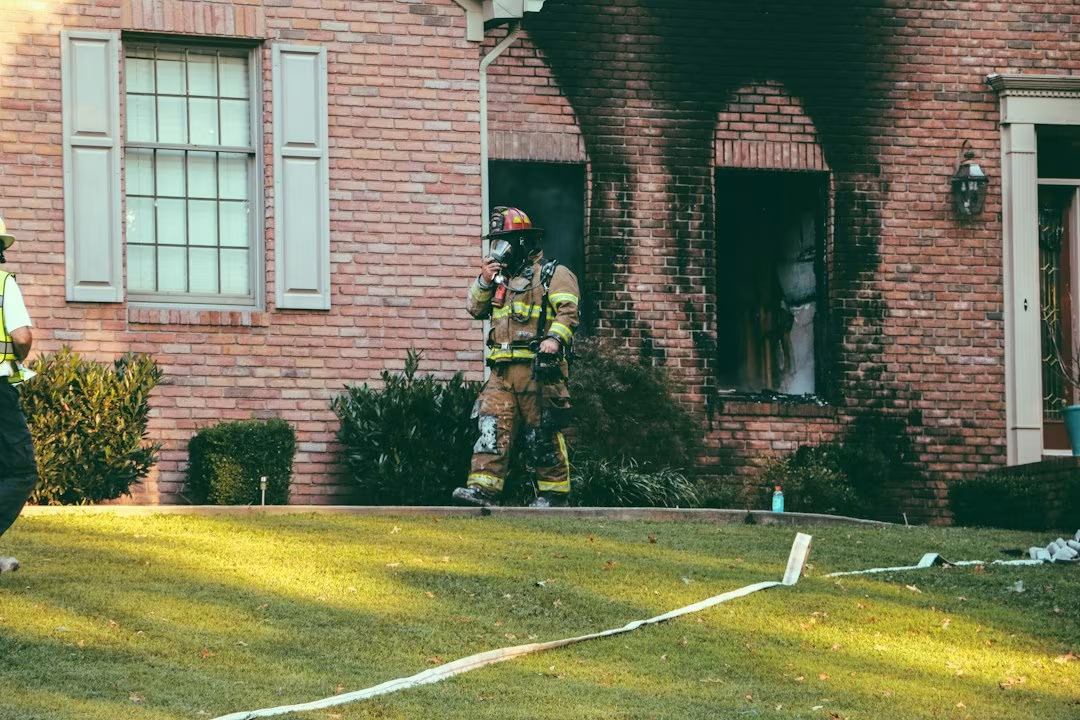
A house fire is the loss homeowners insurance exists for — and fire claims are also among the largest checks an insurer will ever write on a homeowner policy, which is exactly why they get heavy scrutiny. Colorado families dealing with structure fires and wildfire losses routinely face drawn-out investigations, contents inventories designed to exhaust them, and settlement offers far below the real cost to rebuild.
Why Fire Claims Get Delayed and Underpaid
Cause-and-origin investigations — legitimate when brief; a pressure tactic when they stretch on without findings while your family is displaced.
Rebuild cost disputes — carrier pricing software versus what Colorado contractors actually charge, especially after regional disasters spike demand.
Contents inventory attrition — line-by-line itemization demands, depreciation on every object, and documentation standards no real household can meet.
Additional living expense cutoffs — ALE support that ends before the home is actually habitable again.
Underinsurance surprises — policy limits that lag years behind construction costs, compounding every other dispute.
Your Rights When the Insurer Acts Unreasonably
Colorado law gives homeowners real leverage. Under C.R.S. § 10-3-1115, an insurer may not unreasonably delay or deny payment of a claim for benefits owed to a first-party claimant — and a delay or denial is unreasonable when the insurer acts without a reasonable basis. If that happens, C.R.S. § 10-3-1116 lets you sue to recover two times the covered benefit, plus reasonable attorney fees and court costs. That fee-shifting is what makes it economical to fight even a mid-sized fire underpayment — the insurer, not you, bears the cost of being wrong.
Colorado also defines unfair claim settlement practices in C.R.S. § 10-3-1104, which include failing to conduct a reasonable investigation and failing to attempt a prompt, fair settlement once liability is reasonably clear. A pattern of lowballing, re-inspections that go nowhere, or unexplained silence maps onto that list more often than homeowners expect. Common-law bad faith claims can apply alongside the statute as well.
Partial Losses and Smoke Damage
Not every fire claim is a total loss, and partial losses generate their own disputes. Smoke and soot penetrate wall cavities, insulation, ductwork, and contents far beyond the burn area, and carriers frequently scope surface cleaning where full remediation — or replacement of porous materials — is the defensible standard. Odor that returns after cleaning, HVAC systems that redistribute soot, and electronics corroded by smoke residue are classic under-scoped items. An independent industrial hygienist or remediation contractor's protocol is often the difference between a cosmetic payment and a genuine restoration.
Additional Living Expenses: Your Family's Lifeline
ALE coverage pays the extra costs of living elsewhere while your home is uninhabitable — rent, increased food costs, mileage, storage, even pet boarding. Disputes center on two moves: carriers pressing families into cheaper housing than what they lost, and cutting off ALE based on an optimistic repair timeline rather than the actual state of the rebuild. Your displacement should be measured against your normal standard of living, and the clock should run until the home is actually habitable. Keep every receipt and challenge arbitrary cutoffs in writing.
Protecting Your Fire Claim
Secure the scene and your records — photographs before cleanup, receipts, and a running log of every adjuster conversation.
Build the contents list methodically — room by room, with photos and approximate purchase dates; don't let perfection demands stall payment on the obvious items.
Track every displacement expense — lodging, meals above normal, mileage, storage; ALE disputes are won with receipts.
Get independent rebuild pricing — a Colorado contractor's detailed estimate is the anchor against software-generated scopes.
When to Involve a Lawyer
If your fire claim has stalled without explanation, the rebuild offer won't rebuild the house, or a denial leans on an investigation that never seems to conclude, get a legal review before accepting anything final. Our insurance claim practice page explains our approach, and our guide to Colorado insurance bad faith law details the statutory remedies. Hollington Law Firm represents Colorado homeowners in fire and property insurance disputes statewide — consultations are free.
Have Questions About Insurance Disputes?
Our experienced construction defect attorneys are here to help. Schedule a free 15-minute screening call to discuss your situation.