In the picturesque landscape of Colorado, where new homes and developments are continually springing up, construction defects can sometimes mar the dream of homeownership. Fortunately, Colorado has enacted laws to protect homeowners and address these issues.
One crucial aspect of this legal framework is the Construction Defect Action Reform Act (CDARA), which outlines the notice and disclosure requirements for construction defects. This comprehensive guide will delve into CDARA's Notice of Claims process, shedding light on its intricacies and empowering homeowners and HOAs to navigate construction defect disputes effectively.
Understanding CDARA's Notice of Claims Process
CDARA establishes a structured approach for addressing construction defects through the Notice of Claims process. This process serves as a prerequisite to filing a lawsuit and aims to facilitate communication, evaluation, and potential resolution of construction defect disputes.
C.R.S. 13-20-803.5 (current Colorado statute) provides comprehensive provisions for Colorado construction defect claims, including specific timelines and requirements that all parties must follow.
Statutory Requirements Under CDARA
The statute outlines twelve key provisions that govern the notice and disclosure process:
Pre-lawsuit notice requirement (75 days for residential, 90 days for commercial)
Property access for inspection
Response timeline for construction professionals (30-45 days)
Offer acceptance period (15 days)
Written acceptance requirements
Litigation rights after rejected offers
Enforcement actions for non-compliance
Modification agreements
Stay requirements for non-compliance
Amendment procedures for additional claims
Alternative service methods
Damage limitations
Key Components of the Notice Process
Written Notice Requirements
Homeowners or HOAs must provide written notice of the claimed construction defects to the responsible parties. This typically includes developers, contractors, and other construction professionals involved. This is commonly referred to as the "Notice of Claim" and must be served at least 75 days prior to initiating a lawsuit.
The notice should include:
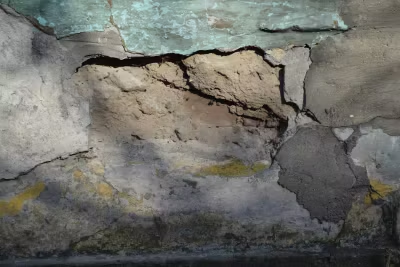
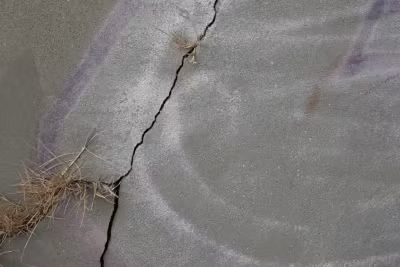
Detailed descriptions of the defects
The nature and extent of the issues
Any resulting damages or losses
Providing a comprehensive and detailed notice is essential, as it sets the foundation for subsequent actions and facilitates a clear understanding of the alleged defects. How to document construction defects properly can significantly strengthen your notice.
Response Period and Property Inspection
Within 30 days of receiving the Notice of Claim, the responsible parties are entitled to inspect the property. During this response period, the responsible parties may conduct:
Property inspections
Technical assessments
Defect evaluations
Timely and thorough responses from both parties are critical to maintaining the integrity of the process and fostering constructive dialogue.
Settlement Offers by Responsible Parties
Within 30 days of completing their inspection(s), the responsible party may make a written offer to the property owner to either:
Repair the alleged defects
Offer to settle the claim for monetary payment
If the responsible parties choose to exercise the repair option, they must provide a written response that includes:
Intent to repair the defects
Reasonable schedule for completing repairs
Detailed scope of work
Timeline for completion
The opportunity to repair underscores the importance of remedying construction defects promptly and mitigating further damages or disputes.
Resolution or Litigation Options
Following the exchange of notices and responses, homeowners or HOAs may explore several resolution avenues:
Direct negotiation
Mediation
Other forms of alternative dispute resolution
Litigation (if CDARA requirements are met)
In cases where a resolution cannot be reached, homeowners or HOAs retain the option to pursue litigation, provided they have complied with CDARA's notice and disclosure requirements. Understanding damages recoverable under Colorado's Construction Defect Action Reform Act can help property owners evaluate their options.
Compliance with CDARA Requirements
It is critical for both property owners, responsible parties, and their legal representatives to adhere to CDARA's notice and disclosure requirements. Failure to comply with these requirements may have serious ramifications for subsequent legal proceedings.
Consequences of Non-Compliance
Mandatory Stay Requirements: C.R.S. § 13-20-803.5(9) requires that any action initiated without following CDARA's notice requirements must be stayed until those requirements are met.
Evidence Limitations: At least one Colorado District Court has found that a homeowner's failure to comply with CDARA's notice requirements and making repairs without giving the construction professional the opportunity to inspect the property may preclude them from presenting evidence of those alleged defects.
Importance of Proper Documentation
By following the prescribed procedures outlined in CDARA, parties can uphold:
Transparency in the process
Fairness for all involved parties
Accountability throughout resolution efforts
For homeowners dealing with construction issues, understanding common construction defect types can help identify problems early and ensure proper documentation.
Working with Legal Professionals
Navigating CDARA's requirements can be complex, and professional guidance is often essential. Experienced construction defect attorneys can help with:
Drafting legally compliant notices of claim
Ensuring proper documentation of defects
Managing inspection processes
Evaluating settlement offers
Pursuing litigation when necessary
Understanding the costs associated with hiring a construction defect lawyer can help property owners make informed decisions about legal representation.
Frequently Asked Questions
What is a CDARA notice of claim?
Under the Colorado Construction Defect Action Reform Act (CDARA), a homeowner must send the builder a written notice of claim describing the alleged defects in reasonable detail before filing a lawsuit. The notice triggers statutory inspection and offer windows.
How long does a builder have to respond to a CDARA notice?
CDARA gives the builder a statutory period to acknowledge the notice, inspect the property, and make a written offer to repair, settle, or decline. The homeowner then has a defined window to accept or reject the offer before suit may be filed.
What happens if I file a construction defect lawsuit without sending a CDARA notice?
Filing suit without complying with CDARA's notice procedures generally results in dismissal or a stay of the case until the notice process is completed. Proper notice is a prerequisite, not a formality—attorney involvement is strongly recommended.
Conclusion
Navigating construction defect claims in Colorado requires a thorough understanding of CDARA's Notice of Claims process and its accompanying requirements. By adhering to these procedures, homeowners, HOAs, developers, and construction professionals can engage in constructive dialogue, evaluate claims effectively, and pursue resolutions that uphold the integrity of the construction industry.
For expert guidance and representation in construction defect matters, consult with a seasoned construction defect lawyer who can provide invaluable insights and advocate for your interests throughout the process. Understanding your rights and obligations under CDARA is essential for protecting your investment and achieving fair resolution of construction disputes.
Have Questions About Construction Defects?
Our experienced construction defect attorneys are here to help. Schedule a free 15-minute screening call to discuss your situation.