Navigating the legal complexities of housing and construction defects can be overwhelming without the right legal counsel. Whether you're a homeowner, homeowner association, or developer, having a skilled Colorado construction defect lawyer by your side is essential.
This comprehensive guide addresses common questions about hiring a construction defect lawyer, empowering you to make informed decisions in your legal matters.
Who is a Colorado Construction Defect Lawyer?
A Colorado construction defect lawyer specializes in representing clients involved in disputes related to housing and construction defects. These legal professionals are adept at handling cases involving:
Structural issues
Water intrusion problems
Poor workmanship
Violations of building codes and standards
They provide comprehensive legal counsel and representation, advocating for their clients' rights through negotiation, mediation, arbitration, or litigation.
When Should I Consider Hiring a Colorado Construction Defect Lawyer?
If you encounter housing or construction defects such as structural deficiencies, water leaks, defective materials, or design flaws, it's crucial to consult with a Colorado construction defect lawyer promptly.
Whether you're seeking repairs, compensation, or defending against claims, a lawyer with expertise in housing and construction law can provide invaluable assistance in protecting your interests and achieving a favorable outcome.
How Do I Choose the Right Colorado Construction Defect Lawyer?
Selecting the right construction defect lawyer requires careful consideration of several key factors:
Experience
Look for a lawyer with extensive experience in housing and construction defect litigation.
Specialization
Choose a lawyer who specializes specifically in housing and construction law, ensuring they possess in-depth knowledge of relevant regulations and industry practices.
Reputation
Research the lawyer's reputation, client testimonials, and case outcomes to gauge their credibility and effectiveness.
Communication
Prioritize a lawyer who communicates effectively, keeping you informed and involved throughout the legal process.
Compatibility
Schedule consultations with potential lawyers to assess your comfort level and compatibility with their approach and strategies.
What Should I Expect During the Initial Consultation?
During the initial consultation, your construction defect attorney will assess the details of your case, including any documentation or evidence you provide. They will explain your legal rights, options, and potential strategies for resolving the dispute.
This is an opportunity for you to ask questions, discuss fees and costs, and determine whether the lawyer's expertise and approach align with your needs and objectives.
Common Types of Construction Defects
Construction defect claims can arise from various issues. Understanding these common construction defect types can help you identify potential problems:
Water Intrusion
One of the most pervasive issues in construction, water intrusion can lead to mold growth, rotting wood, and structural damage. Common causes include poorly sealed windows, inadequate waterproofing membranes, and improperly installed roofing systems.
Foundation Cracks and Settlement
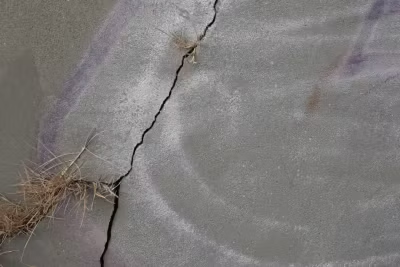
Foundation problems can arise from various factors, including soil movement, poor compaction, or substandard concrete mixtures. Cracks in the foundation can compromise the structural integrity of the entire building, leading to sloping floors, sticking doors, or even collapse in severe cases.
Roofing Defects
Roofing defects such as leaks, missing shingles, or improper flashing can result in water damage and compromise the building's thermal performance. Poor installation practices and subpar materials are often to blame for roofing issues.
Structural Deficiencies
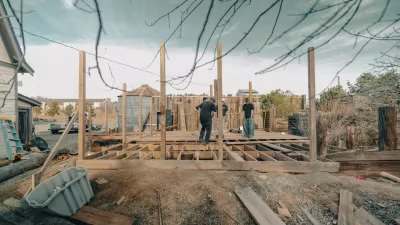
Structural defects encompass a wide range of issues, including inadequate framing, improper reinforcement, or undersized structural members. These defects can pose significant safety hazards and may require costly repairs to rectify.
Plumbing Problems
Plumbing defects can manifest as leaks, clogs, or inadequate water pressure. Improperly installed pipes, faulty fixtures, or substandard materials can contribute to plumbing issues that affect the functionality and habitability of the property.
Electrical Issues
Electrical defects pose fire hazards and safety risks to occupants. Common examples include overloaded circuits, faulty wiring, or inadequate grounding. Compliance with building codes and standards is crucial to prevent electrical problems.
HVAC System Deficiencies
Heating, ventilation, and air conditioning (HVAC) systems play a vital role in maintaining indoor comfort and air quality. Defective HVAC systems can result in uneven temperatures, poor air circulation, or increased energy consumption. Issues such as improper installation, inadequate maintenance, or faulty components can contribute to HVAC system deficiencies. For more on Colorado HVAC defect claims, contact Hollington Law Firm to discuss your situation.
Insulation Problems
Insufficient or improperly installed insulation can compromise the energy efficiency of a building, leading to increased heating and cooling costs. Inadequate insulation can also result in uncomfortable indoor temperatures and poor sound insulation. Common insulation problems include gaps, compression, or incorrect placement of insulation materials.
Exterior Finishes
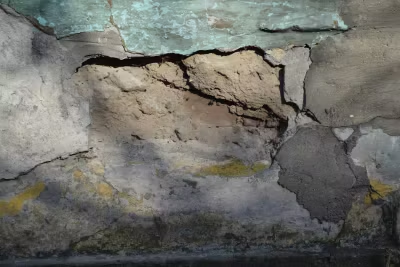
Exterior finishes such as siding, stucco, or brick veneer not only contribute to the aesthetic appeal of a property but also serve as a protective barrier against the elements. Defective exterior finishes can lead to water intrusion, cracking, or premature deterioration. Improper installation or use of substandard materials can contribute to exterior finish defects.
Additional Defect Types
Other common issues include:
Landscaping Issues: Grading problems, drainage issues, or improper installation of retaining walls and fences
Windows and Doors: Air leaks, poor insulation, or improper installation leading to drafts and moisture intrusion
Finish and Cosmetic Defects: Flaws in paint, flooring, trim, or other interior finishes
How Long Does It Take to Resolve a Construction Defect Case?
The duration of a construction defect case varies based on several factors:
Complexity of the issues
Willingness of parties to negotiate
Need for expert evaluations or testimony
While some cases may be resolved through negotiation or mediation within months, others may require litigation and could extend over several years. The anticipated length of your case should be discussed in detail with your Colorado construction defect lawyer.
What Compensation Can I Seek?
Unless a claimant can show that the construction professional violated the Colorado Consumer Protection Act, they may not recover more than "actual damages" (C.R.S. § 13-20-806).
"Actual damages" is "the lesser of the:
Fair market value of the real property without the alleged construction defect
Replacement cost of the real property
Reasonable cost to repair the alleged construction defect, together with 'relocation costs'" (C.R.S. § 13-20-802.5)
In addition, the homeowner may be permitted to recover the cost of their attorney fees, if provided by contract. Learn more about attorney fees in Colorado construction defect cases.
Can I File a Claim if My Property is No Longer Under Warranty?
Yes, you can still file a construction defect claim even if your property is no longer under warranty. Contrary to common misconceptions, Colorado homeowners possess robust rights under the Colorado Construction Defect Action Reform Act (CDARA), irrespective of any builder warranties included in construction contracts.
Specifically, with respect to residential construction, the Homeowner Protection Act of 2007 voids any waiver or limitation of rights, remedies, or damages provided under CDARA. CDARA serves as a powerful tool for homeowners, offering protection and recourse in the event of construction defects affecting their properties' structural integrity, safety, or habitability beyond any "call back" warranty expiring.
However, it's crucial to act promptly, as there may be statutes of limitations that could affect your ability to pursue a claim. Make sure to consult with a Colorado construction defect lawyer as soon as you discover the defects to ensure your rights are protected.
Conclusion
Hiring an experienced Colorado construction defect lawyer is essential for effectively navigating the legal complexities of construction defect disputes. By understanding the role of a Colorado construction defect lawyer, knowing when to seek legal assistance, and selecting the right representation for your case, you can maximize your chances of achieving a favorable outcome.
If you're facing construction defects, don't hesitate to consult with a qualified Colorado construction defect lawyer to explore your options and protect your rights. Early intervention and proactive legal representation are key to resolving your case efficiently and effectively. For a closer look at this issue, see our article "HVAC Construction Defects".
Have Questions About Construction Defects?
Our experienced construction defect attorneys are here to help. Schedule a free 15-minute screening call to discuss your situation.