Construction defects can turn your dream home into a nightmare, leaving you with costly repairs and safety concerns. If you're a Colorado homeowner dealing with construction problems, you're probably wondering: why do these defects happen in the first place? Understanding the common causes behind construction defects can help you identify problems early and protect your rights.
The Reality of Construction Defects in Colorado
Construction defects are unfortunately common in Colorado's booming housing market. These problems range from minor cosmetic issues to major structural failures that can threaten your family's safety and your home's value. The Colorado courts have recognized that construction defects can cause "actual damage to real or personal property" and create "a risk of bodily injury or death" under C.R.S. § 13-20-804.
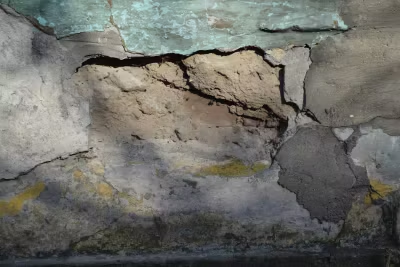
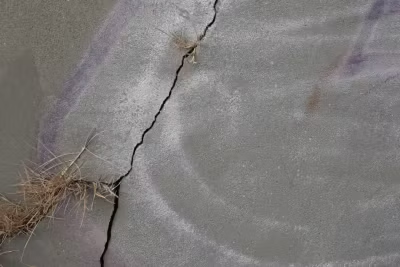
In cases like Hildebrand v. New Vista Homes II, LLC, we see how serious these problems can become. The Hildebrands purchased a new home that suffered severe damage when the basement floor slab moved, ultimately resulting in a $540,754 jury verdict against the builder. Similarly, in Criswell v. MJ Brock and Sons, Inc., homeowners faced extensive structural damage including "heaving and cracking of the basement floor, severe cracking at the foundation walls, severe cracking of the walls of the upper levels of the residence, severe cracking of ceilings, damage to window structures, separation of the exterior brick from the exterior walls."
Why Construction Defects Happen: The Root Causes
Poor Planning and Design
Many construction defects start before the first shovel hits the ground. Inadequate planning and poor design decisions create problems that manifest years later. This includes:
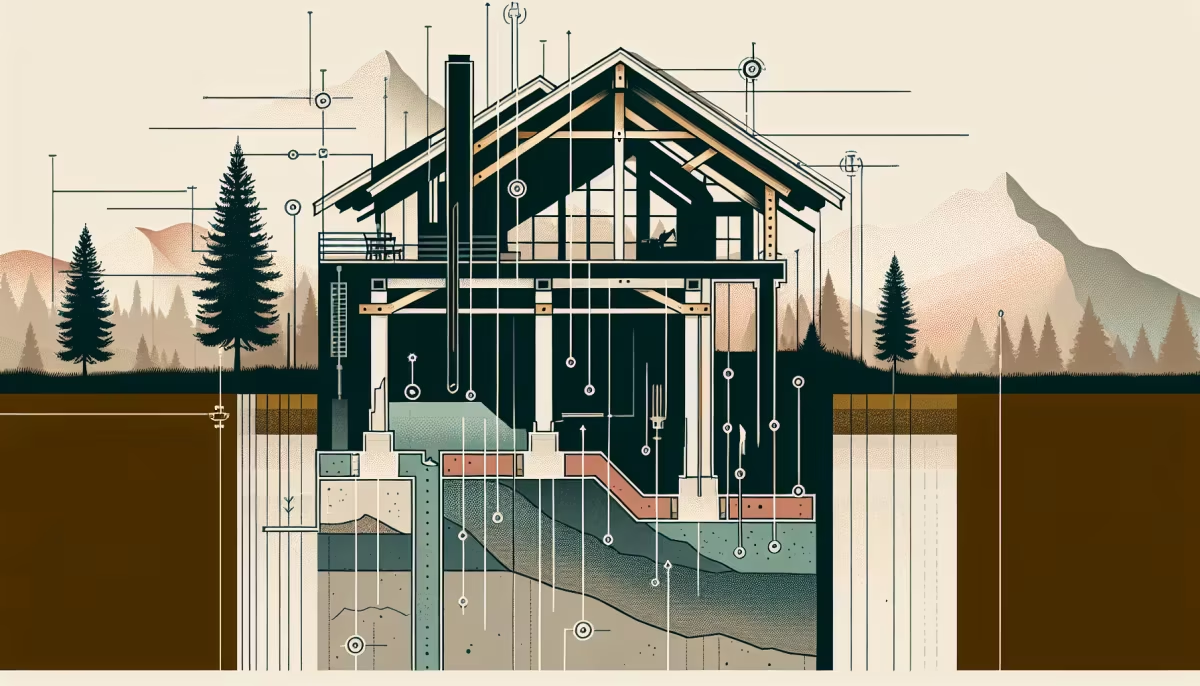
Insufficient soil analysis: Colorado's diverse geology, including expansive clay soils, requires careful evaluation. Builders who fail to properly test and account for soil conditions often face foundation problems later.
Inadequate drainage planning: Poor water management design leads to basement flooding, foundation damage, and water intrusion issues. The Beeftu v. Creekside Ventures LLC case illustrates this problem, where a developer's grading plan was incompatible with the homeowner's desired walkout basement, resulting in repeated flooding.
Design flaws: Sometimes the architectural or engineering design itself is flawed, creating inherent problems that become apparent only after construction is complete.
Pressure to Cut Costs and Meet Deadlines
The competitive nature of Colorado's construction industry creates pressure to reduce costs and accelerate timelines. This pressure can lead to:
Use of inferior materials: Builders may choose cheaper materials that don't perform as well over time or aren't suitable for Colorado's climate conditions.
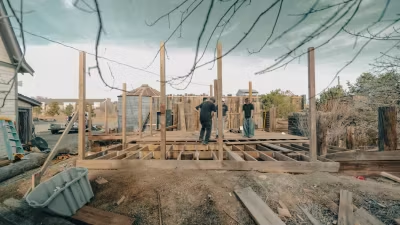
Rushed construction schedules: When crews are pushed to work too quickly, quality suffers. Proper curing time for concrete, adequate drying time between construction phases, and careful attention to detail often get sacrificed.
Reduced quality control: Cost-cutting measures may include fewer inspections or less experienced supervisors overseeing the work.
Inadequate Supervision and Quality Control
Even with good plans and materials, construction defects happen when there's insufficient oversight of the actual construction process:
Inexperienced workers: The construction boom has led to a shortage of experienced workers, meaning less skilled laborers may be handling complex tasks.
Poor communication: Large construction projects involve multiple trades and subcontractors. Poor communication between teams can result in coordination problems and defective work.
Inadequate inspection: While building codes require certain inspections, these may not catch all potential problems, especially if the inspector is overworked or the defect isn't immediately visible.
Subcontractor and Vendor Issues
Modern construction involves numerous subcontractors and suppliers, each responsible for different aspects of the project:
Subcontractor negligence: As seen in cases like Two Denver Highlands Ltd. Partnership v. Dillingham Construction N.A., both general contractors and subcontractors can be liable for defective work. A concrete subcontractor's poor work, for example, can cause extensive damage throughout a building.
Lack of accountability: When multiple parties are involved, it can be easier for problems to fall through the cracks or for parties to blame each other rather than take responsibility.
Inadequate vetting: General contractors who don't properly vet their subcontractors may end up with unqualified workers performing critical tasks.
Environmental and Site-Specific Challenges
Colorado's unique environment presents specific challenges that can contribute to construction defects:
Weather-related issues: Colorado's extreme temperature variations, heavy snow loads, and severe storms can expose construction weaknesses. Work performed in poor weather conditions is more likely to be defective.
High altitude considerations: The high altitude affects how materials cure and perform, and builders unfamiliar with these conditions may not make proper adjustments.
Seismic activity: While not as earthquake-prone as California, Colorado does experience seismic activity that can reveal structural weaknesses.
How Builder Practices Contribute to Defects
Inadequate Pre-Construction Planning
Successful construction projects require thorough planning, but some builders cut corners:
Insufficient site investigation: Proper soil testing, surveys, and environmental assessments are essential but sometimes skipped to save time and money.
Incomplete design development: Rushing from initial design to construction without proper design development can leave critical details unresolved.
Poor Material Selection and Handling
The choice and handling of materials significantly impacts construction quality:
Climate-inappropriate materials: Materials suitable for other climates may not perform well in Colorado's conditions.
Improper storage: Materials damaged by weather or improper storage before installation can lead to premature failure.
Substitutions without approval: Using substitute materials without proper evaluation can create performance problems.
Inadequate Workforce Training
The quality of workmanship directly affects the likelihood of defects:
Insufficient training: Workers unfamiliar with specific materials or techniques may install them incorrectly.
Language barriers: Communication problems can lead to misunderstandings and mistakes.
Lack of supervision: Even skilled workers need proper supervision to ensure quality and consistency.
The Legal Framework: How Colorado Law Addresses Builder Responsibility
Colorado law recognizes that builders have responsibilities to construct homes properly. The Construction Defect Action Reform Act (CDARA), found in C.R.S. § 13-20-801 et seq., establishes procedures for addressing construction defects while preserving homeowner rights.
Under C.R.S. § 13-20-804, negligence claims for construction defects are limited to situations that result in actual damage, loss of use, bodily injury, or safety risks. This means not every construction flaw automatically gives rise to a legal claim—there must be real consequences.
Colorado courts have consistently held that builders can be liable for defects even to subsequent homeowners. In Weller v. Cosmopolitan Homes, Inc., the court ruled that "subsequent purchasers may assert a claim" against builders for negligent construction, recognizing that construction defects often don't become apparent until years later.
The Importance of Documentation and Timing
If you suspect construction defects in your home, documentation is crucial. Colorado law requires specific procedures before filing a lawsuit, including sending a notice of claim to the builder at least 75 days before filing suit (C.R.S. § 13-20-803.5). The builder then has opportunities to inspect the property and offer to remedy the defects.
Additionally, Colorado has a six-year statute of repose under C.R.S. § 13-80-104, meaning most construction defect claims must be filed within six years of substantial completion of the construction. However, the discovery rule may extend this period in certain circumstances.
For those interested in learning more about builder practices to prevent construction defects, understanding industry standards can help identify when your builder has fallen short of acceptable practices.
When Professional Help Is Necessary
Construction defect cases are complex, involving technical construction issues, multiple potential defendants, and strict procedural requirements. If you're dealing with what you believe are construction defects, it's important to understand what insurance covers construction defects in Colorado and to properly document any problems you discover.
The cases discussed above, from foundation failures to water intrusion problems, demonstrate that construction defects can result in significant financial damages. In Heritage Village Owners Ass'n v. Golden Heritage Investors, Ltd., for example, the homeowners association recovered $3,618,000 in damages, which was trebled to nearly $10 million under Colorado's Consumer Protection Act.
Protecting Your Rights
Understanding why construction defects happen is the first step in protecting yourself. Whether the problems stem from poor planning, cost-cutting, inadequate supervision, or environmental challenges, you have legal rights as a Colorado homeowner.
If you've discovered potential construction defects in your home, don't wait. Colorado's statutes of limitations mean that time is often critical. Document the problems thoroughly, understand your legal options, and consider whether the defects create safety risks or property damage that warrant legal action.
Construction defects don't just happen by accident—they typically result from preventable failures in the construction process. By understanding these causes and your legal rights, you can better protect your investment and your family's safety.
If you're dealing with construction defects in your Colorado home, contact an experienced construction defect attorney today. Time limits apply to these claims, and early action can help preserve your rights and document the problems properly. Don't let construction defects compromise your home's safety or value—get the legal help you need to hold builders accountable for their work.
Have Questions About Construction Defects?
Our experienced construction defect attorneys are here to help. Schedule a free 15-minute screening call to discuss your situation.