As a Colorado homeowner, discovering construction defects in your home can be both frustrating and overwhelming. One of the most critical questions you'll face is: "How long do I have to report these defects?" Understanding Colorado's construction defect laws and deadlines is essential to protecting your rights and investment.
The Basic Rule: Six Years Maximum
Under Colorado law, specifically C.R.S. § 13-80-104, you generally have six years maximum from the substantial completion of construction to bring a legal action against architects, contractors, builders, engineers, or inspectors for construction defects. This is called a "statute of repose," and it creates an absolute deadline that cannot be extended, regardless of when you discover the problem.
However, this six-year rule is just the starting point. The actual time you have to file a lawsuit may be much shorter, depending on when you discover the defects.
When the Clock Really Starts Ticking: Discovery of Defects
The law recognizes that homeowners don't always discover construction defects immediately. Sometimes problems remain hidden for years before becoming apparent. That's why Colorado follows what's called the "discovery rule."
According to C.R.S. § 13-80-104(1)(b), your claim for relief arises "at the time the claimant or the claimant's predecessor in interest discovers or in the exercise of reasonable diligence should have discovered the physical manifestations of a defect in the improvement which ultimately causes the injury."
In plain English, this means the clock starts ticking when:
You actually discover the defect, OR
You reasonably should have discovered it (even if you didn't)
Once you discover (or should have discovered) the defect, you typically have two years to file a lawsuit, depending on the specific type of claim.
The Special Two-Year Rule
There's an important exception to be aware of: If you discover construction defects during the fifth or sixth year after substantial completion, Colorado law gives you two full years from the date of discovery to file your lawsuit, even if this extends beyond the normal six-year deadline.
This provision, found in C.R.S. § 13-80-104(2), ensures that homeowners who discover problems late in the process still have a reasonable amount of time to pursue their claims.
What Counts as "Substantial Completion"?
Understanding when "substantial completion" occurred is crucial because it determines your maximum deadline. Substantial completion typically means:
The construction work is finished enough that you can occupy and use the property for its intended purpose
Only minor items or punch list work remains
You've received a certificate of occupancy (if required)
This date isn't necessarily when you closed on the home or when the builder handed you the keys. It's when the actual construction work was substantially finished.
Recent Changes: The Notice Process and Tolling
Colorado has specific procedures you must follow before filing a construction defect lawsuit. Under C.R.S. § 13-20-803.5, you must send a notice of claim to the construction professional before filing suit. This notice process can actually extend your deadlines through what's called "tolling."
According to C.R.S. § 13-20-805, if you send the required notice within the applicable time limits, the statute of limitations is "tolled" (paused) until 60 days after the notice process is completed. Additionally, if the construction professional attempts to fix the defects, the deadline can be tolled for up to one year during the mitigation period.
What Types of Defects Are Covered?
Colorado's construction defect statutes apply to various types of problems, including:
Deficiencies in design, planning, or construction
Damage to real or personal property caused by construction defects
Personal injury or wrongful death caused by construction defects
However, recent changes in the law have limited some negligence claims. Under C.R.S. § 13-20-804, you generally cannot bring negligence claims for construction that fails to meet building codes or industry standards unless the failure results in:
Actual property damage
Loss of use of property
Bodily injury or death
Risk of bodily injury or threats to occupant safety
This doesn't prevent you from bringing contract claims, warranty claims, or other types of tort claims beyond negligence.
Practical Steps to Protect Yourself
Given these time limits, here's what you should do as a Colorado homeowner:
Document Everything: Keep detailed records of when you first notice any problems. Take photographs, videos, and written notes. Proper documentation can be crucial in establishing when you discovered defects.
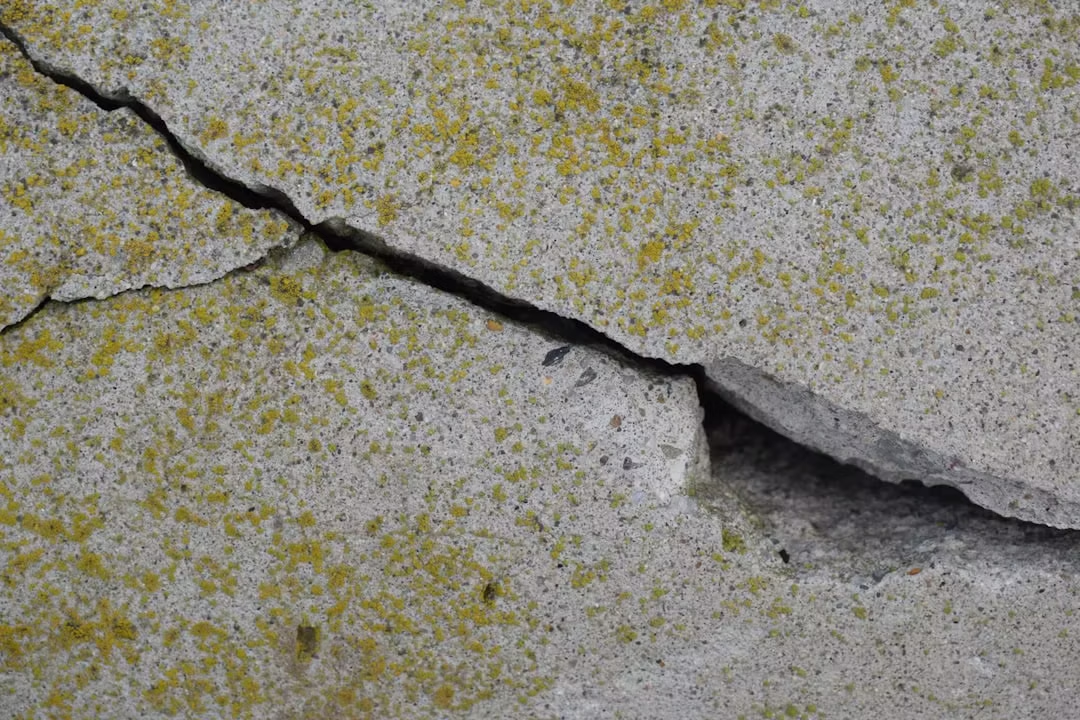
Act Quickly: Don't wait to investigate potential problems. If you notice signs like cracks, leaks, or other issues, have them professionally inspected promptly.
Understand the Process: Before filing a lawsuit, you'll need to follow Colorado's notice procedures and provide detailed lists of defects to the court and defendants.
Know Your Builder: Some builders have histories of construction defect issues. Researching your builder's track record can help you understand potential risks and stay vigilant for problems.
Why These Deadlines Matter
Missing Colorado's construction defect deadlines can be devastating. Once the statute of limitations or repose expires, you lose your right to pursue legal remedies, regardless of how serious the defects are or how much damage they've caused. Courts have no discretion to extend these deadlines except in very limited circumstances.
This means that a homeowner who discovers major structural problems seven years after construction is likely out of luck, even if the defects are severe and the builder was clearly at fault.
Special Situations and Exceptions
There are a few important exceptions to these general rules:
Builder Still in Control: If the builder or contractor is still in "actual possession or control" of the property when defects cause injury or damage, they cannot use the statute of limitations as a defense.
Fraud or Concealment: While not explicitly covered in the statutes cited, Colorado courts have recognized that fraudulent concealment of defects by builders may extend deadlines in some circumstances.
Warranty Claims: Some defects may be covered by express or implied warranties that have different time limits than the construction defect statutes.
Don't Go It Alone
Construction defect law is complex, and the stakes are high. The deadlines are strict, the procedures are detailed, and the legal standards are nuanced. What might seem like a simple timeline question can involve complicated issues about when defects were discovered, what types of claims you can bring, and how to properly preserve your rights.
Additionally, taking proactive measures during construction can help prevent many problems from occurring in the first place, but once defects appear, professional legal guidance becomes essential.
Get Professional Help Now
If you suspect construction defects in your Colorado home, don't wait to get answers. The clock may already be ticking on your legal rights, and every day matters. Construction defect cases require specialized knowledge of Colorado law, construction standards, and complex procedural requirements.
An experienced Colorado construction defect attorney can help you understand your specific situation, determine your deadlines, navigate the notice requirements, and protect your investment. Given the strict time limits and potentially devastating consequences of missing deadlines, consulting with an attorney should be your first step when construction defects are suspected.
Contact our firm today for a consultation about your construction defect concerns. We can help you understand your rights, evaluate your case, and ensure you don't miss any critical deadlines that could affect your ability to seek compensation for defective construction.
Have Questions About Construction Defects?
Our experienced construction defect attorneys are here to help. Schedule a free 15-minute screening call to discuss your situation.