If you own a Richmond American home in Colorado and have noticed construction problems, you're not alone. Our law firm is actively investigating potential construction defect claims against Richmond American Homes, and we want homeowners to understand their rights under Colorado law.
What Construction Defects Are We Investigating?
Richmond American Homes is one of Colorado's largest homebuilders, constructing thousands of homes across the Front Range and beyond. However, like many other major production builders, some homeowners have experienced significant construction defects that can affect both the safety and value of your property.
Common construction defects we're investigating in Richmond American homes include:
Structural Issues:
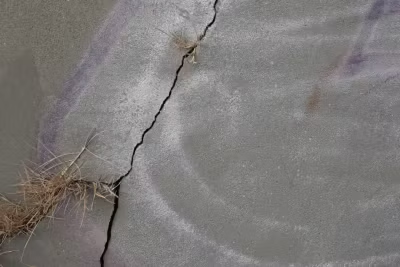
Foundation problems, including settlement and cracking
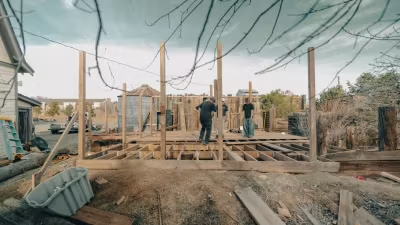
Framing defects that compromise structural integrity
Improper load-bearing support installation
Floor joist and beam failures
Water Intrusion Problems:
Roof leaks and improper flashing installation
Window and door seal failures
Basement water penetration
Improper grading causing water to flow toward the home
HVAC and Mechanical Defects:
Inadequate heating and cooling systems
Ductwork problems affecting air distribution
Electrical wiring defects
Plumbing issues including pipe failures and improper installations
Exterior Defects:
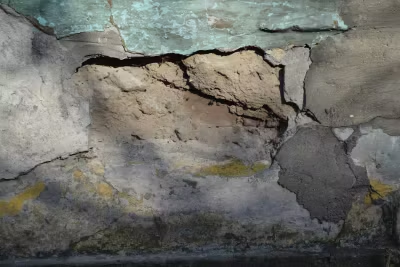
Stucco cracking and separation
Siding installation problems
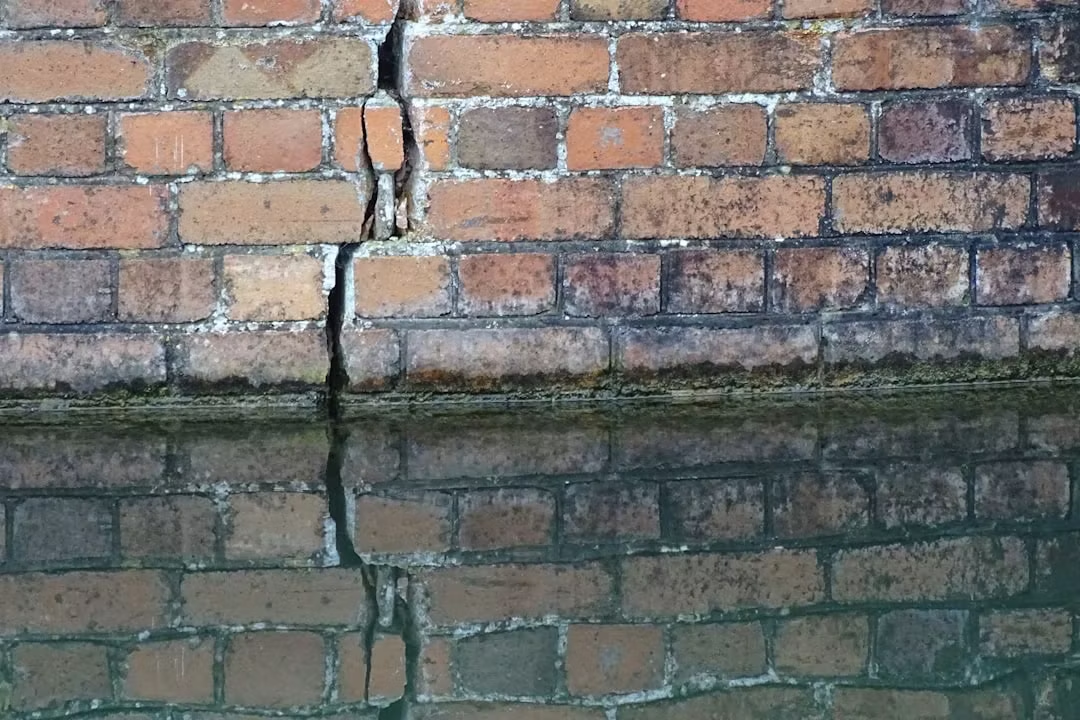
Brick veneer issues
Improper weatherproofing
Understanding Your Rights as a Colorado Homeowner
Colorado law provides several important protections for homeowners dealing with construction defects. The state has enacted comprehensive legislation designed to balance the rights of homeowners with the needs of the construction industry.
The Colorado Consumer Protection Act (CCPA)
One of the most powerful tools available to Colorado homeowners is the Colorado Consumer Protection Act. Under this law, if a construction professional engages in deceptive trade practices, homeowners may be entitled to significant remedies. If your situation may involve these issues, a Colorado real estate fraud lawyer at Hollington Law Firm can review the facts in a consultation.
To succeed under the CCPA, you must prove five key elements: (1) the defendant engaged in a deceptive trade practice; (2) the deceptive trade practice occurred in the course of defendant's business, vocation or occupation; (3) the deceptive trade practice significantly impacted the public as actual or potential consumers of the defendant's goods, services, or property; (4) the plaintiff was an actual or potential consumer of the defendant's goods, services, or property, or was injured in the course of their business or occupation as a result of the deceptive trade practice; and (5) the deceptive trade practice caused actual damages or losses to the plaintiff. CJI-Civil 29:1.
The CCPA is particularly valuable because successful claimants can recover treble (triple) damages, plus attorney fees and costs under C.R.S. § 6-1-113. However, against construction professionals, the aggregate amount of treble damages and attorney fees under the CCPA cannot exceed $250,000. C.R.S. § 13-20-806(3).
Construction Defect Action Reform Act (CDARA)
Colorado's Construction Defect Action Reform Act, found in C.R.S. § 13-20-801 through § 13-20-807, creates specific procedures that must be followed in construction defect cases. The general assembly has found that changes in the law are necessary concerning construction defect actions while preserving adequate rights and remedies for property owners. C.R.S. § 13-20-802.
Pre-Suit Notice Requirements: Before filing a lawsuit, homeowners must provide written notice to the construction professional no later than 75 days before filing suit for residential property (90 days for commercial property). This notice must describe the construction defects in reasonable detail and identify any resulting damages.
Defect List Requirements: Within 60 days of filing a lawsuit, claimants must file and serve an initial list of construction defects under C.R.S. § 13-20-803. This list can be amended as additional defects are discovered during the litigation process. The court cannot allow the case to be set for trial before this initial list is filed and served. C.R.S. § 13-20-803(3).
Limitations on Negligence Claims: Under C.R.S. § 13-20-804, negligence claims for construction defects are limited to situations where the failure to comply with building codes or industry standards results in:
Actual damage to real or personal property
Actual loss of use of property
Bodily injury or death
Risk of injury or threat to occupants' safety
This means you cannot pursue a negligence claim for technical building code violations that don't cause actual harm or damage. However, this limitation does not apply to other tort claims, contract or warranty claims, or claims arising from violation of statutes other than building codes. C.R.S. § 13-20-804(2).
Statutes of Limitations
Colorado law provides specific time limits for bringing construction defect claims. Under C.R.S. § 13-80-104, actions against construction professionals must generally be brought within two years of discovering the defect, but no more than six years after substantial completion of the home.
However, the statute of limitations can be tolled (extended) under certain circumstances. If a notice of claim is sent to a construction professional in accordance with CDARA within the applicable statute of limitations, then the statute is tolled until sixty days after completion of the notice of claim process. C.R.S. § 13-20-805.
Warranty Claims and Protections
In addition to statutory protections, Richmond American homeowners may have warranty claims available. Colorado recognizes both express warranties (written promises about the home's quality) and implied warranties.
Express Warranties
These are specific written promises made by the builder about the home's quality, materials, or workmanship. Richmond American typically provides limited warranties covering different aspects of the home for varying time periods.
Implied Warranties
Colorado law recognizes an implied warranty of habitability, which means homes must be suitable for human habitation. Under this warranty, builders must construct homes that are free from significant defects that would make the home unsafe or unsuitable for living.
Importantly, warranty claims are not subject to the same limitations as negligence claims under CDARA. This means you can pursue warranty claims even for defects that might not qualify for negligence claims.
The Homeowner Protection Act of 2007
Colorado's Homeowner Protection Act provides additional protections by making void any agreement provisions that would waive or limit homeowners' rights under CDARA or the Colorado Consumer Protection Act. This prevents builders from using contract language to eliminate your legal protections.
Why Legal Representation Matters
Construction defect cases are complex and involve multiple areas of law, including contracts, torts, warranties, and specialized construction statutes. The procedural requirements under CDARA must be carefully followed, or you may lose important rights.
Additionally, construction defect cases often require:
Expert witness testimony to establish the defects and their causes
Extensive investigation and testing
Analysis of building codes and industry standards
Calculation of repair costs and property value impacts
Navigation of insurance coverage issues
Having experienced legal representation ensures that your case is properly investigated, that all procedural requirements are met, and that you receive maximum compensation for your damages.
What Damages Can You Recover?
If you succeed in a construction defect claim, you may be entitled to recover:
Cost to repair the defective construction
Temporary housing costs during repairs
Diminished property value
Out-of-pocket expenses related to the defects
Under the CCPA, potentially treble damages and attorney fees
In cases involving the Colorado Consumer Protection Act, successful homeowners are entitled to attorney fees, which means the builder (not you) pays your legal costs if you win.
Time Is Critical
If you suspect construction defects in your Richmond American home, time is of the essence. Colorado's statutes of limitations can bar your claims if you wait too long to act. Additionally, some defects may worsen over time, potentially causing more extensive damage and higher repair costs.
Early investigation and documentation of defects is crucial. This includes:
Taking photographs of visible defects
Documenting when problems first appeared
Keeping records of repair attempts
Preserving all warranty documentation
Avoiding major alterations that might affect the defects
Similar Issues Across Production Builders
Richmond American is not the only large homebuilder facing construction defect issues in Colorado. We're also investigating similar problems with other major builders, including Meritage Homes construction defects and Taylor Morrison construction defects. These widespread issues highlight the importance of holding builders accountable for proper construction practices.
Construction defects can significantly impact your home's value and your family's safety. Understanding how construction defects affect property values can help you make informed decisions about pursuing legal action.
Take Action to Protect Your Rights
If you own a Richmond American home and have noticed construction problems, don't wait to seek legal advice. Colorado's construction defect laws provide significant protections for homeowners, but these rights must be properly exercised within specific timeframes.
Our experienced construction defect attorneys understand Colorado's complex construction laws and have successfully represented homeowners against major builders. We can evaluate your situation, explain your legal options, and help you pursue the compensation you deserve for defective construction.
Contact our office today for a consultation to discuss your Richmond American construction defect concerns. We'll review your situation at no cost and help you understand your rights under Colorado law. Remember, if you succeed under the Colorado Consumer Protection Act, the builder pays your attorney fees – not you.
Don't let construction defects diminish your home's value or compromise your family's safety. Let us help you hold Richmond American Homes accountable for proper construction practices and get the compensation you deserve.
Have Questions About Construction Defects?
Our experienced construction defect attorneys are here to help. Schedule a free 15-minute screening call to discuss your situation.