When you discover a problem with your Colorado home, one of the first questions you'll face is whether you can still take legal action. Colorado law recognizes that some construction defects are hidden from view and may not become apparent for years after construction is complete. This is where the "discovery rule" becomes crucial for homeowners.
What Is the Hidden Defect Discovery Rule?
The discovery rule is a legal principle that determines when the clock starts ticking on your right to file a construction defect lawsuit. Instead of starting the countdown from when construction was completed, the discovery rule begins the time limit from when you actually discovered—or reasonably should have discovered—the defect.
This rule exists because many serious construction problems are hidden inside walls, foundations, or other areas that homeowners cannot easily inspect. For example, faulty electrical wiring, improper waterproofing, or structural issues may not show visible signs for several years after construction.
How Colorado's Discovery Rule Works
Under Colorado Revised Statutes § 13-80-104, the discovery rule states that "a claim for relief arises... at the time the claimant or the claimant's predecessor in interest discovers or in the exercise of reasonable diligence should have discovered the physical manifestations of a defect in the improvement which ultimately causes the injury."
This means the statute of limitations period doesn't begin until you discover the "physical manifestations" of the defect. It's important to understand that you don't need to know the exact cause or full extent of the problem—you just need to discover that something is wrong with your home.
The "Should Have Discovered" Standard
The discovery rule includes an important qualification: the time limit begins when you discover the defect OR when you "should have discovered" it through reasonable diligence. This prevents homeowners from claiming ignorance when obvious signs of problems were present.
For instance, if water stains appear on your ceiling but you ignore them for two years before investigating, a court might determine you "should have discovered" the underlying defect when the stains first appeared.
Real-World Examples from Colorado Courts
Colorado courts have applied the discovery rule in numerous construction defect cases, providing helpful guidance for homeowners:
The Criswell Case: Foundation Problems
In Criswell v. MJ Brock and Sons, Inc., homeowners purchased a new home in 1976 but didn't discover the source of their structural problems until 1979 when their warranty company required an inspection. The home suffered from "heaving and cracking of the basement floor, severe cracking at the foundation walls, severe cracking of the walls of the upper levels of the residence, severe cracking of ceilings, damage to window structures, separation of the exterior brick from the exterior walls, separation of the fireplace structure from the remainder of the residence, [and] damage to water lines, waste lines and gas lines."
The Colorado Supreme Court had to determine when the homeowners' claims arose—was it when they first noticed some problems, or when they discovered the underlying cause? This case helped establish that the discovery rule focuses on when homeowners discover the physical manifestations of defects, not necessarily their underlying causes.
The Stiff Case: Gradual Deterioration
In Stiff v. Bilden Homes, Inc., the homeowner purchased a home in 1994 that was built on expansive soils. The builder had been warned to use structural floors instead of slab-on-grade construction, but chose the less expensive option.
Problems began appearing gradually:
October 1995 and May 1996: Husband noticed construction problems including basement drywall cracks
September 1996: Engineer's inspection concluded floor movement was "to be expected"
November 1998: Second inspection found movement was "not excessive"
September 1999: Husband noticed basement walls moving apart
June 2000: Furniture began tilting
February 2001: Lawsuit filed
This case illustrates how the discovery rule handles situations where problems develop gradually over time. The court had to determine when the homeowners should have reasonably discovered that their problems constituted actionable defects rather than expected settling or minor issues.
The Critical Time Limits You Need to Know
While the discovery rule determines when your time limit begins, you still face absolute deadlines under Colorado law:
Six-Year Statute of Repose
Under C.R.S. § 13-80-104, most construction defect claims must be filed within six years of "substantial completion" of construction, regardless of when you discover the problem. This is called a "statute of repose" and provides an absolute cutoff date.
However, there's an important exception: if your claim arises during the fifth or sixth year after substantial completion, you have two years from discovery to file your lawsuit.
Standard Limitation Periods
Once you discover (or should have discovered) a defect, you typically have a limited time to file your lawsuit—often two to three years, depending on the type of claim.
What Constitutes "Discovery" Under Colorado Law
Understanding what legally constitutes "discovery" is crucial for protecting your rights. Colorado courts look for the discovery of "physical manifestations" of defects. This might include:
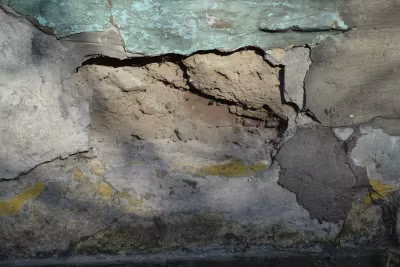
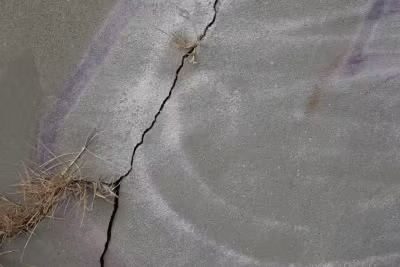
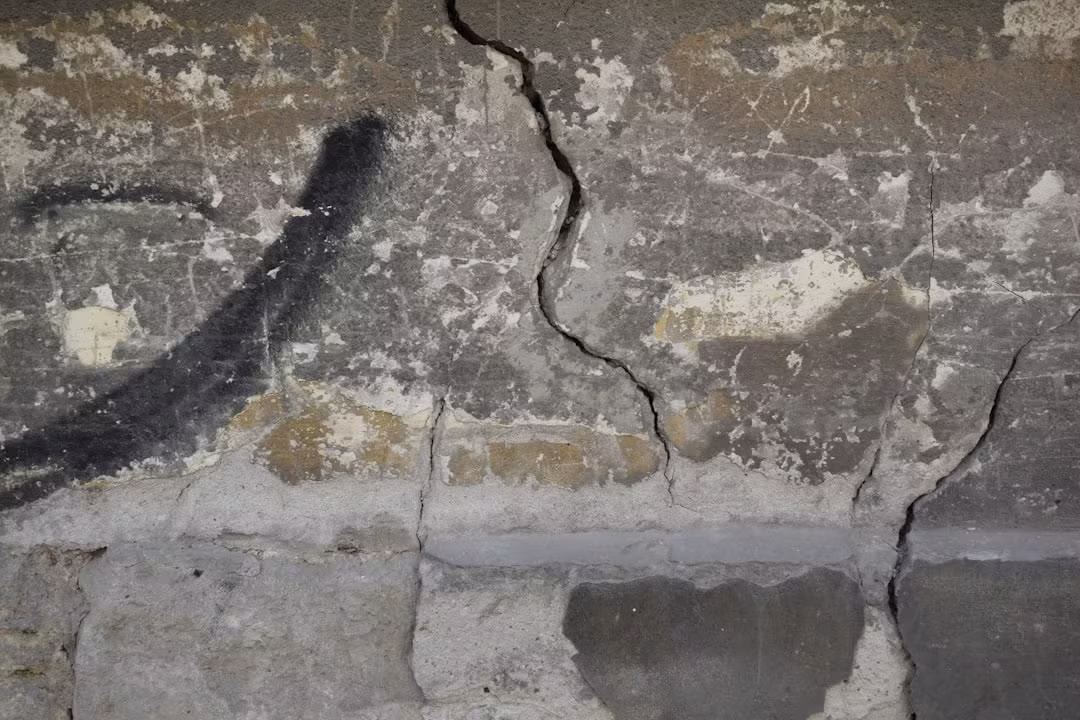
Visible cracks in walls, ceilings, or foundations
Water damage, stains, or mold growth
Doors or windows that no longer close properly
Uneven floors or surfaces
Electrical problems or outages
Plumbing leaks or drainage issues
HVAC system failures
You don't need to know the exact cause of the problem or have a professional diagnosis. The clock starts ticking when you discover something is physically wrong with your home.
Common Misconceptions About the Discovery Rule
Misconception 1: "I Need to Know the Exact Cause"
You don't need to understand the root cause of the problem or know who's responsible. Discovery occurs when you notice physical manifestations of defects.
Misconception 2: "Small Problems Don't Count"
Even minor visible signs of problems can trigger the discovery rule if they indicate underlying defects. Don't assume that small cracks or minor water damage can be ignored.
Misconception 3: "I Can Wait Until the Problem Gets Worse"
Once you discover signs of defects, waiting for the problem to worsen won't extend your time limits. The discovery rule begins when you first notice the physical manifestations.
Protecting Your Rights as a Colorado Homeowner
If you discover potential construction defects in your home, take these important steps:
Document Everything
Photograph all visible problems immediately
Keep detailed written records of when you first noticed issues
Save all repair estimates and contractor reports
Maintain copies of communications with builders or contractors
Act Quickly
Don't delay in investigating potential problems. The discovery rule won't protect you if you ignore obvious signs of defects.
Get Professional Inspections
Have qualified professionals evaluate any concerning issues. Their reports can be crucial evidence of when defects were discoverable.
Understand Your Warranty Rights
Review any warranties that came with your home. Some warranties may provide additional time to address certain types of problems. For more information about warranty protections, see our guide on understanding the Colorado Homeowner Protection Act.
Special Considerations for Different Types of Homes
The discovery rule applies differently depending on your situation:
New Construction
For newly built homes, you should carefully inspect your property during construction and immediately after completion. Many problems in new construction become apparent within the first few years.
Existing Homes
When purchasing an existing home, have a thorough inspection performed. Problems discovered during your inspection process may start the discovery clock running immediately.
Condominiums and Townhomes
In multi-unit developments, defects may affect common areas or multiple units. The discovery rule may apply differently to individual unit problems versus building-wide issues.
When the Discovery Rule Doesn't Apply
There are situations where the discovery rule may not help you:
If you had actual knowledge of defects but failed to act
If obvious signs of problems were present but ignored
If you're beyond the absolute statute of repose deadline
If you're the person who was in control of the property when the defect was caused
Working with Construction Defect Attorneys
Construction defect cases involving the discovery rule can be complex. An experienced attorney can help you:
Determine when your claims legally arose
Evaluate whether you're still within applicable time limits
Gather evidence to support your discovery timeline
Navigate Colorado's pre-litigation notice requirements
Assess the strength of your potential claims
For more information about the litigation process, you may want to review our article on understanding statutes of limitations for construction defect claims.
Taking Action to Protect Your Investment
Your home is likely your largest investment, and Colorado law provides important protections for homeowners who discover construction defects. However, these protections come with strict time limits that can permanently bar your claims if you don't act promptly.
If you've discovered signs of construction defects in your Colorado home, don't wait to seek legal advice. The discovery rule provides important protections, but only if you understand how it applies to your specific situation and take action within the required time limits.
Contact an experienced Colorado construction defect attorney today to discuss your situation and protect your rights. An attorney can help you understand when your claims arose under the discovery rule, evaluate your legal options, and ensure you don't miss critical deadlines that could affect your ability to recover compensation for defects in your home.
Have Questions About Construction Defects?
Our experienced construction defect attorneys are here to help. Schedule a free 15-minute screening call to discuss your situation.