Colorado's extreme temperature fluctuations create unique challenges for home construction, particularly through freeze thaw damage Colorado homeowners face annually. When winter temperatures plummet below freezing and then rise above 32°F repeatedly throughout the season, this cycle can cause significant structural damage to homes that weren't built with proper freeze-thaw protection. Understanding how Colorado's climate affects your home, recognizing the warning signs, and knowing your legal rights when contractors fail to protect your property can save you thousands in repair costs and help you recover damages when construction defects are to blame.
This comprehensive guide explains what freeze-thaw damage looks like, how improper construction techniques worsen the problem, and your legal options when contractors fail to build according to Colorado's demanding climate requirements. For a closer look at this issue, see our article "Colorado Stucco Defects".
What Is Freeze Thaw Damage in Colorado Construction?
Freeze-thaw damage occurs when water trapped in building materials repeatedly freezes and thaws, causing the materials to crack, spall, and deteriorate. In Colorado's climate, this process happens dozens of times each winter as temperatures swing dramatically above and below freezing.
When water freezes, it expands by approximately 9%, creating tremendous pressure within concrete, masonry, and other porous building materials. As the ice melts and refreezes in the same cracks and voids, it gradually widens these openings, allowing more water to penetrate and creating an accelerating cycle of damage. For a closer look at this issue, see our article "Colorado Concrete Construction Defects".
Colorado's Unique Climate Risks
Colorado's high altitude and continental climate create particularly severe freeze-thaw conditions. Unlike regions with consistently cold winters, Colorado experiences frequent temperature swings where daytime temperatures may reach 50°F while nighttime temperatures drop to 10°F. The Front Range experiences an average of 150-200 freeze-thaw cycles per winter season.
These conditions are especially problematic because:
Sudden temperature changes don't allow materials time to gradually adjust
High altitude means more intense solar radiation during the day, accelerating thaw cycles
Low humidity allows rapid evaporation and refreezing
Snow accumulation against foundations creates prolonged moisture exposure
Common Areas Affected by Freeze-Thaw Damage
Foundations suffer the most severe freeze-thaw damage because they're constantly exposed to ground moisture. Concrete foundation walls can develop horizontal and vertical cracks, while the foundation-to-wall connection points often separate.
Exterior walls experience damage primarily through masonry, stucco, and concrete surfaces. Brick mortar joints deteriorate rapidly, while stucco develops spider-web cracking patterns. Wood siding can split along grain lines when moisture freezes within the fibers.
Roofing systems face damage through repeated expansion and contraction of materials. Concrete tile roofs are particularly vulnerable, as are flat or low-slope roofs where water can pond and refreeze.
Plumbing systems suffer when pipes aren't properly insulated or when exterior walls lack adequate thermal barriers. Burst pipes create secondary water damage that compounds freeze-thaw problems.
How Does Colorado Weather Cause Construction Damage?
The freeze-thaw process begins when temperatures drop below 32°F after water has penetrated building materials. As water transforms to ice, it creates internal pressure that can exceed 50,000 pounds per square inch – enough force to crack concrete and split masonry units.
During the thaw phase, melted ice flows deeper into the newly created cracks and voids. When temperatures drop again, this larger volume of water freezes, creating even greater expansion pressure. This cycle repeats throughout Colorado's winter months, gradually destroying materials that weren't designed or constructed to handle these stresses.
How Poor Construction Worsens Freeze-Thaw Damage
Proper construction techniques can largely prevent freeze-thaw damage, but many contractors fail to implement Colorado-specific methods. Common construction failures that worsen freeze-thaw damage include:
Inadequate drainage systems allow water to accumulate against foundations and in wall cavities. Without proper grading and drainage, snowmelt and precipitation create constant moisture exposure.
Poor vapor barriers permit moisture infiltration into wall systems where it can freeze. Contractors who skimp on proper moisture barriers create conditions for extensive freeze-thaw damage.
Incorrect concrete mix designs result in concrete that's too porous or lacks proper air entrainment. Colorado's building codes require specific concrete formulations, but some contractors use inappropriate mixes to save costs.
Insufficient expansion joints don't allow materials room to expand and contract. When materials can't move naturally with temperature changes, they crack under stress.
Vulnerable Materials and Methods in Colorado
Certain construction materials and methods perform poorly in Colorado's freeze-thaw environment. Standard concrete without air entrainment fails rapidly under freeze-thaw conditions. The concrete absorbs water that freezes and creates internal cracking.
Soft brick and natural stone with high water absorption rates deteriorate quickly. These materials require special sealers and installation methods that many contractors ignore.
Improperly installed stucco systems trap moisture between layers, creating ideal conditions for freeze-thaw damage. Traditional three-coat stucco systems need moisture barriers and proper curing that's often rushed or eliminated.
Single-wythe masonry walls without adequate insulation experience severe temperature differentials that accelerate freeze-thaw cycles.
Signs of Freeze Thaw Damage in Your Colorado Home
Recognizing freeze-thaw damage early can prevent minor issues from becoming major structural problems. Homeowners should watch for specific visual indicators that typically appear during or immediately after winter weather cycles.
Visual Indicators to Watch For
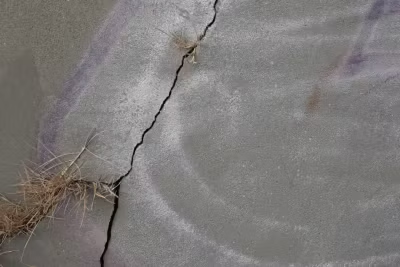
Horizontal and vertical cracks in foundation walls often indicate freeze-thaw damage, especially if they appear or worsen during winter months. These cracks may start small but gradually widen with each freeze-thaw cycle.
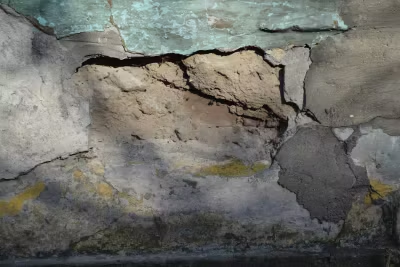
Spalling concrete creates a flaking or scaling appearance on foundations, driveways, and exterior walls. You'll notice pieces of concrete breaking away from the surface, often exposing aggregate underneath.
Mortar joint deterioration appears as crumbling, soft, or missing mortar between bricks or stone. The mortar may fall out in chunks or turn powdery when touched.
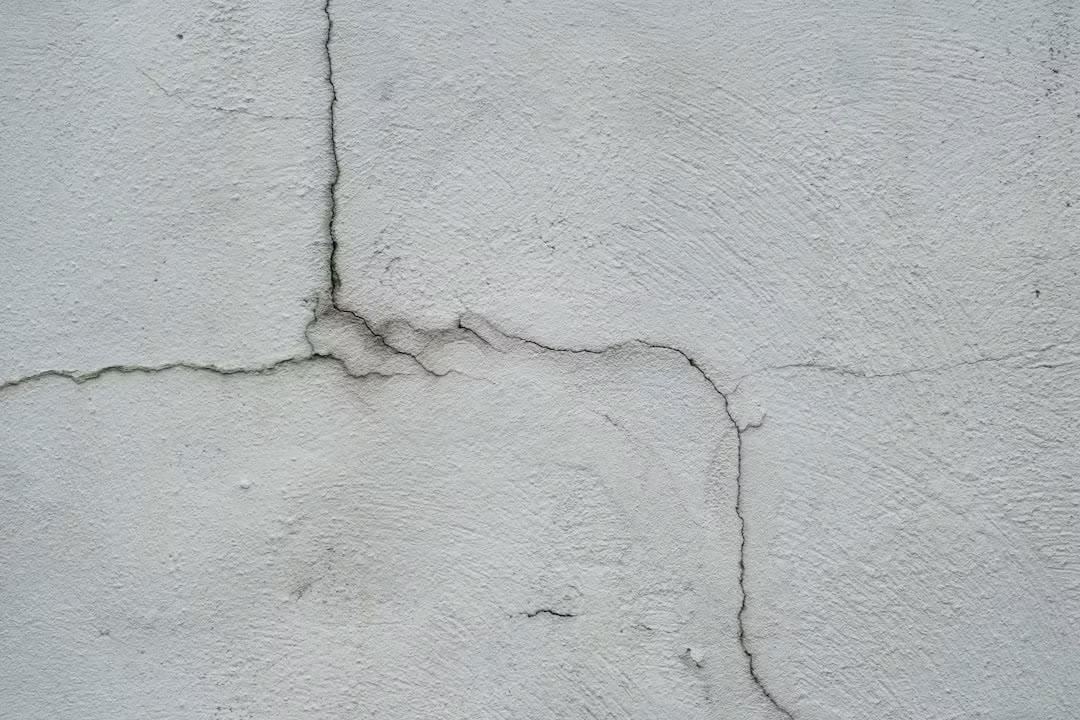
Stucco cracking patterns typically show up as spider-web or map-crack patterns across wall surfaces. These hairline cracks often interconnect and may allow water penetration that worsens the problem.
Water intrusion signs include water stains, efflorescence (white mineral deposits), or actual moisture penetration during thaw periods. These signs indicate that freeze-thaw damage has created pathways for water entry.
Seasonal Damage Patterns
Freeze-thaw damage follows predictable seasonal patterns in Colorado. Spring damage assessment reveals the winter's impact as snow melts and exposes damaged areas. This is typically when homeowners first notice new cracks or worsening of existing problems.
Late fall preparation should include inspecting areas that showed problems the previous spring. Damage that isn't repaired before winter will worsen significantly during the upcoming freeze-thaw season.
Mid-winter evaluation during warm spells can reveal active damage. If you notice new cracks or water intrusion during winter thaws, the problem will likely accelerate before spring arrives.
When to Call Professionals
Immediate professional inspection is needed when you discover water intrusion, structural cracks wider than 1/4 inch, or any signs that suggest structural movement. These conditions can worsen rapidly and create safety hazards.
Routine professional assessment should occur annually for homes showing minor freeze-thaw damage signs. A qualified inspector can determine whether damage results from construction defects or normal weathering processes.
Pre-purchase inspections are critical for home buyers, as freeze-thaw damage may indicate broader construction defect issues that require legal action against the original contractor.
Can Freeze Thaw Damage Be Prevented During Construction?
Experienced contractors familiar with Colorado's climate can largely prevent freeze-thaw damage through proper construction techniques and materials selection. The key is understanding that Colorado construction requires specific approaches that may not be necessary in other regions.
Proper Construction Techniques
Air-entrained concrete creates microscopic air bubbles that provide space for ice expansion without damaging the concrete structure. Colorado building codes require air entrainment for exposed concrete, but enforcement varies by jurisdiction.
Proper drainage and grading directs water away from foundations and prevents accumulation against building surfaces. This includes french drains, proper slope gradients, and waterproof membranes where needed.
Thermal barriers and insulation prevent temperature differentials that accelerate freeze-thaw cycles. Continuous insulation systems and thermal breaks at structural connections are essential in Colorado construction.
Quality vapor barriers prevent moisture infiltration while allowing vapor transmission where appropriate. These systems require careful detailing at penetrations and connections.
Building Code Requirements
Colorado's building codes incorporate specific requirements for freeze-thaw protection, though local jurisdictions may have additional standards. Under C.R.S. § 13-20-804, contractors must build in substantial compliance with applicable building codes, and failure to do so can create liability when it results in actual property damage.
Concrete requirements mandate specific air entrainment percentages, minimum compressive strengths, and curing procedures for freeze-thaw resistance. These standards exist specifically to prevent the type of damage Colorado's climate can cause.
Insulation and thermal protection standards ensure building envelopes can handle temperature extremes without allowing condensation or thermal bridging that contributes to freeze-thaw problems.
Waterproofing and moisture management codes require specific materials and installation methods for foundations, below-grade walls, and other moisture-exposed areas.
Materials and Methods for Colorado Climate
High-performance concrete mixes designed for freeze-thaw resistance cost more initially but prevent expensive damage later. These mixes include proper air entrainment, low water-cement ratios, and specific aggregate selections.
Freeze-thaw resistant masonry materials include engineered brick, properly sealed natural stone, and mortars formulated for Colorado conditions. Many standard materials used in moderate climates fail quickly in Colorado's environment.
Advanced stucco systems with proper moisture barriers, reinforcement, and finish coats can withstand freeze-thaw cycles when installed correctly. However, these systems require experienced applicators familiar with Colorado-specific techniques.
Integrated waterproofing approaches combine multiple strategies including drainage, barriers, and vapor management to prevent moisture problems that lead to freeze-thaw damage.
Who Is Liable When Contractors Fail to Prevent Freeze Thaw Damage?
When contractors fail to use appropriate construction methods for Colorado's climate, they may be liable for resulting freeze-thaw damage. However, establishing liability requires proving that the damage resulted from construction defects rather than normal weather exposure.
Contractor Responsibility Under Colorado Law
Under C.R.S. § 13-20-804, contractors have specific obligations regarding building code compliance. The statute states that "no negligence claim seeking damages for a construction defect may be asserted in an action if such claim arises from the failure to construct an improvement to real property in substantial compliance with an applicable building code or industry standard; except that such claim may be asserted if such failure results in" actual damage to property, loss of use, or safety risks.
This means that building code violations don't automatically create liability, but when those violations cause actual freeze-thaw damage to your home, you may have valid negligence claims against the contractor.
Building Code Violations as Evidence
Colorado jury instruction CJI-Civil 12:18 allows building code violations to be considered as evidence of negligence. If contractors failed to follow Colorado's specific requirements for freeze-thaw protection and your home suffered damage as a result, the code violations support your case even though they don't automatically prove negligence.
For example, if your contractor used non-air-entrained concrete in violation of local building codes and your foundation developed freeze-thaw damage, the code violation serves as evidence that the contractor failed to exercise reasonable care appropriate for Colorado's climate.
Construction Defects vs. Natural Weather Damage
Construction defect damage occurs when improper building methods create vulnerability to freeze-thaw cycles. This includes using inappropriate materials, failing to provide adequate drainage, or omitting required moisture barriers.
Natural weather damage affects even properly constructed buildings over time. However, homes built with appropriate freeze-thaw protection should withstand Colorado's climate for decades without significant structural damage.
The distinction matters because contractors aren't liable for normal weathering processes, but they are responsible when their construction methods create premature failure under predictable Colorado weather conditions. Preventing construction defects in Colorado requires understanding these climate-specific requirements from the project's beginning.
What Are Your Legal Rights for Freeze Thaw Construction Defects?
Colorado homeowners have several legal avenues for recovering damages when freeze-thaw problems result from construction defects. However, these claims involve specific procedural requirements and damage limitations that affect your recovery.
Required Notice Procedures
Under C.R.S. § 13-20-803.5, you must provide written notice to the contractor at least 75 days before filing a lawsuit. This notice must be sent "by certified mail, return receipt requested, or by personal service" and should describe the freeze-thaw damage you've discovered.
The statute also requires that "before filing a claim pursuant to this subsection (1) for program claims, a claimant shall mitigate the damage caused by the alleged construction defect." This means you must take reasonable steps to prevent further freeze-thaw damage before filing suit, such as sealing cracks or improving drainage where feasible.
Types of Available Damages
Under C.R.S. § 13-20-806, "a construction professional otherwise liable shall not be liable for more than actual damages, unless and only if the claimant otherwise prevails on the claim that a violation of the Colorado Consumer Protection Act, article 1 of title 6, C.R.S., has occurred."
This generally limits your recovery to actual repair costs, temporary housing expenses during repairs, and other out-of-pocket losses caused by the freeze-thaw damage. Punitive damages are only available in limited circumstances involving Consumer Protection Act violations.
The statute caps certain damages, stating that "the aggregate amount of treble damages awarded in an action under section 6-1-113 (2)(a)(III), C.R.S., and attorney fees awarded to a claimant under section 6-1-113 (2)(b), C.R.S., shall not exceed two hundred fifty thousand dollars in any action against a construction professional."
Warranty Claims and Notice Requirements
Warranty claims operate under different rules than negligence claims. According to CJI-Civil 14:15, warranty claims require that you "notified the defendant, (name), of the breach within a reasonable time after the plaintiff discovered or should have discovered the breach."
For freeze-thaw damage, this means you should notify your contractor promptly after discovering problems, even if you're not immediately sure whether they result from construction defects. The instruction notes that "notice may be oral or written. No particular form of notice is required as long as it informs the defendant of the breach."
Understanding what damages are recoverable under Colorado's Construction Defect Action helps you evaluate whether pursuing legal action makes financial sense for your situation.
Steps to Take If You Have Freeze Thaw Damage
Discovering freeze-thaw damage in your Colorado home requires immediate action to protect both your property and your legal rights. Taking the right steps early can prevent minor problems from becoming major issues and preserve your ability to recover damages from responsible contractors.
Document the Damage
Photograph everything as soon as you discover freeze-thaw damage. Take wide shots showing the overall affected area and close-up photos revealing specific damage details. Include reference objects like coins or rulers to show crack sizes and damage extent.
Create a damage log documenting when you first noticed problems, how they've progressed, and any temporary repairs you've made. This timeline helps establish whether damage appeared during typical freeze-thaw seasons and supports your claims about when problems developed.
Hire professional inspections from qualified engineers or contractors experienced with freeze-thaw issues. These experts can determine whether damage results from construction defects or normal weathering processes, and their reports provide crucial evidence for potential legal claims.
Determine the Damage Source
Construction defect indicators include damage that appears prematurely, affects multiple areas of your home, or follows patterns suggesting systematic construction failures. For example, if foundation cracks appeared within the first few years after construction, this suggests defective materials or methods rather than normal aging.
Natural weathering signs typically develop gradually over many years and affect individual components rather than entire building systems. However, even natural weathering can be accelerated by construction defects that create vulnerability to freeze-thaw cycles.
Professional assessment by qualified inspectors can distinguish between these causes and provide expert opinions supporting your claims. Similar to how Colorado's expansive soil issues require expert analysis to determine causation, freeze-thaw damage requires professional evaluation to establish liability.
Legal Notice and Filing Requirements
Under C.R.S. § 13-20-803, you must file "an initial list of construction defects" with the court within 60 days of commencing legal action. This list must "contain a description of the construction that the claimant alleges to be defective."
Before filing suit, C.R.S. § 13-20-803.5 requires 75 days' advance notice to contractors. During this period, contractors have opportunities to inspect your property and offer settlement or repair solutions.
Timeline management is critical because these deadlines are strictly enforced. Missing the notice requirements can bar your claims entirely, regardless of how clear the construction defects may be.
Mitigation obligations require you to prevent further damage where reasonably possible. This might include sealing obvious cracks, improving drainage, or taking other temporary measures while pursuing permanent solutions through legal action.
If you're dealing with multiple construction issues, consider how HOA liability for water intrusion problems might affect your situation, particularly in townhome or condominium developments where shared responsibility complicates damage claims.
Taking prompt action protects both your home and your legal rights, while proper documentation and professional assessment build the foundation for successful damage recovery.
Facing freeze-thaw damage in your Colorado home?
Understanding your rights and options requires experienced legal guidance familiar with Colorado's unique construction challenges and strict procedural requirements. Contact our construction defect attorneys for a consultation to evaluate your situation and protect your investment. Time limits apply to construction defect claims, so don't wait to explore your options for recovering repair costs and related damages.
Have Questions About Construction Defects?
Our experienced construction defect attorneys are here to help. Schedule a free 15-minute screening call to discuss your situation.