When you discover cracks, stains, or water damage on your home's stucco exterior, you're likely facing more than just cosmetic issues. Colorado stucco defects can lead to extensive water intrusion, structural damage, and costly repairs that homeowners often struggle to address on their own. Understanding your legal rights, Colorado's specific laws governing construction defects, and the critical deadlines you face can mean the difference between recovering damages and being left with expensive repairs.
This comprehensive guide explains everything Colorado homeowners need to know about stucco water damage, EIFS problems, filing deadlines under state law, and the required legal processes before pursuing a claim. Whether you're dealing with obvious damage or suspect hidden problems, knowing your rights under Colorado's Construction Defect Action Reform Act can protect both your home and your financial interests. For a closer look at this issue, see our article "Colorado Foundation Problems".
What Are Stucco Defects and Why Are They Common in Colorado?
Stucco defects occur when the exterior stucco system fails to properly protect your home from moisture and weather elements. These failures can involve either traditional cement-based stucco or synthetic stucco systems known as EIFS (Exterior Insulation and Finish Systems).
Traditional stucco consists of multiple layers of cement-based materials applied over wire mesh, while EIFS uses foam insulation boards covered with a synthetic finish coat. Both systems rely on proper installation and quality materials to create an effective moisture barrier.
Colorado's climate creates particularly challenging conditions for stucco systems. The state's frequent freeze-thaw cycles cause expansion and contraction that can crack stucco surfaces, creating entry points for water. Additionally, Colorado's intense UV exposure, sudden temperature changes, and seasonal moisture variations put constant stress on exterior building materials.
Common types of stucco defect claims in Colorado include:
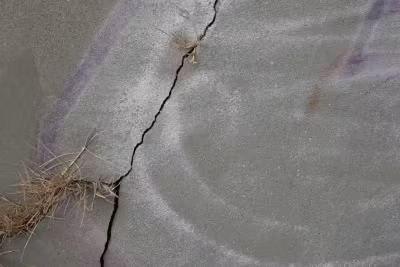
Cracking: Hairline cracks that expand over time, allowing water penetration
Water intrusion: Failed moisture barriers that let water reach structural components
Delamination: Separation of stucco layers, often caused by improper bonding or moisture damage
EIFS system failures: Synthetic stucco problems where the foam backing deteriorates or the finish coat fails
The difference between traditional and synthetic stucco becomes crucial when identifying problems. EIFS systems can trap moisture between the foam insulation and your home's structure, creating ideal conditions for mold growth and wood rot that may not become visible until damage is extensive.
Many EIFS problems Colorado homeowners face stem from installation issues during the building boom years when contractors were less familiar with proper synthetic stucco techniques. Poor flashing, inadequate drainage systems, and improper sealing around windows and doors create the perfect storm for water intrusion.
Signs of Stucco Water Damage Every Colorado Homeowner Should Know
Recognizing the early warning signs of stucco water damage can save you thousands in repair costs and protect your legal rights. Many homeowners miss critical indicators because water damage often develops gradually behind the stucco surface.
Visual warning signs on your home's exterior include:
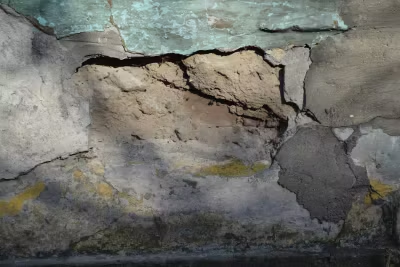
Hairline cracks that run horizontally or vertically across stucco surfaces
Dark staining or discoloration, particularly around windows, doors, and roof lines
White chalky deposits (efflorescence) that indicate water movement through the material
Bubbling or peeling paint on stucco surfaces
Soft spots where the stucco feels spongy or gives under pressure
Gaps or separation where stucco meets trim, windows, or other building components
Interior signs that suggest exterior stucco problems:
Your home's interior often reveals stucco problems before exterior damage becomes obvious. Watch for musty odors in rooms that share walls with the exterior, as this often indicates moisture trapped behind stucco. Water stains on interior walls, particularly those that appear during or after rain, suggest water is penetrating the stucco system.
Mold growth on interior walls or an increase in humidity levels inside your home can indicate that your stucco system is allowing moisture intrusion. Wallpaper peeling or paint bubbling on interior surfaces may also signal moisture problems originating from exterior stucco failure.
Structural indicators requiring immediate attention:
More serious warning signs include soft or rotting trim around windows and doors, as this indicates water has been penetrating the stucco system long enough to cause structural damage. Foundation issues like cracks or water infiltration in basements can sometimes trace back to stucco problems that allow water to reach foundation walls.
When to call for professional inspection:
While obvious damage like large cracks or visible water stains clearly requires professional assessment, subtle signs like slight discoloration or minor cracks also warrant expert evaluation. Professional inspectors use specialized tools like moisture meters and thermal imaging to detect hidden water damage that homeowners cannot see.
Consider professional inspection if your home is more than five years old and has never been evaluated, particularly if you're experiencing any of the warning signs mentioned above. Early detection protects both your property and your legal rights under Colorado law.
How Long Do You Have to File a Stucco Defect Claim in Colorado?
Colorado law imposes strict deadlines for filing construction defect lawsuits, including synthetic stucco lawsuit claims. Understanding these deadlines is crucial because missing them can permanently bar your right to recover damages, regardless of how severe your stucco problems become.
Under C.R.S. § 13-80-104, "all actions against any architect, contractor, builder or builder vendor, engineer, or inspector performing or furnishing the design, planning, supervision, inspection, construction, or observation of construction of any improvement to real property shall be brought within the time provided in section 13-80-102 after the claim for relief arises, and not thereafter, but in no case shall such an action be brought more than six years after the substantial completion of the improvement to the real property."
This creates two potential deadlines: the general statute of limitations period and the six-year absolute deadline from substantial completion of construction.
When the clock starts ticking depends on discovery:
Under C.R.S. § 13-80-104(1)(b)(I), your claim for relief arises "at the time the claimant or the claimant's predecessor in interest discovers or in the exercise of reasonable diligence should have discovered the physical manifestations of a defect in the improvement which ultimately causes the injury." This means the clock typically starts when you discover or reasonably should have discovered the stucco problems, not when the construction was completed.
However, the six-year statute of repose creates an absolute deadline. Even if you discover stucco defects ten years after construction, you cannot file a lawsuit more than six years after substantial completion of the work.
How the notice process can extend your deadline:
Colorado law provides a crucial exception that can extend these deadlines. Under C.R.S. § 13-20-805, "if a notice of claim is sent to a construction professional in accordance with section 13-20-803.5 within the time prescribed for the filing of an action under the applicable statute of limitations or repose, then the statute of limitations or repose is tolled until sixty days after the completion of the notice of claim process."
This tolling provision can provide additional time to file your lawsuit, but only if you properly serve the required notice within the original deadline period.
Why acting quickly protects your rights and evidence:
Delaying action on suspected stucco defects can harm your case in multiple ways. Physical evidence of construction defects can deteriorate over time, making it harder to prove your claims. Weather exposure, attempted repairs, or normal wear and tear can obscure the original construction problems.
More importantly, witnesses' memories fade and contractors may go out of business or become difficult to locate. Taking prompt action preserves both the physical evidence and the human testimony needed to prove your construction defect claims.
Required Notice Process Before Filing a Stucco Defect Lawsuit
Colorado requires homeowners to follow a specific notice process before filing any construction defect lawsuit. This requirement, established in the Construction Defect Action Reform Act, gives contractors an opportunity to inspect and potentially repair problems before expensive litigation begins.
Colorado courts have recognized that the Construction Defect Action Reform Act requires specific procedures to be followed before filing suit, including mandatory notice provisions that must be complied with to preserve a claimant's right to pursue construction defect claims.
Mandatory written notice requirement:
Before filing any legal action, Colorado law requires that homeowners provide written notice to the contractor as part of the pre-suit process established under the Construction Defect Action Reform Act. This notice must provide the contractor with information necessary to understand and locate the problems.
The notice requirement applies to all construction professionals involved in your home's construction, including general contractors, stucco subcontractors, and EIFS installers. If multiple contractors worked on your stucco system, you may need to serve notice on each one.
What must be included in your defect notice:
Under C.R.S. § 13-20-803, your initial list of construction defects must "contain a description of the construction that the claimant alleges to be defective." While this statute addresses court filings after suit is commenced, similar detail requirements apply to pre-suit notices. Your notice should include:
A clear description of each stucco defect you've identified
The location of problems on your property
Any evidence of water damage or other consequences
Your contact information and willingness to allow inspection
Contractor's right to inspect and repair:
After receiving proper notice, contractors have the right to inspect the alleged defects and propose solutions under Colorado's Construction Defect Action Reform Act. Colorado law provides contractors with opportunities to inspect and cure defects within established time periods following proper notice.
During this period, the contractor may offer to repair the defects, provide monetary compensation, or dispute that defects exist. You're not required to accept any offer, but the law requires that you provide this opportunity before filing suit.
How this process can save time and money:
The notice process often resolves stucco defect problems without expensive litigation. Many contractors prefer to address defects directly rather than face lawsuits that could damage their reputations and result in higher costs.
Even if the notice process doesn't resolve your claims, it provides valuable information about the contractor's position and may lead to admissions that help your case. The process also demonstrates your good faith efforts to resolve the matter outside of court, which judges and juries typically view favorably.
For homeowners dealing with water intrusion and mold issues, this notice process can be particularly valuable in addressing problems before they become more extensive and costly to remediate.
What Damages Can You Recover for Stucco Defects?
Colorado law limits the types of damages available in construction defect cases while still providing meaningful recovery for homeowners facing stucco water damage. Understanding these limitations helps set realistic expectations and influences strategic decisions about pursuing claims.
Under C.R.S. § 13-20-806, "a construction professional otherwise liable shall not be liable for more than actual damages, unless and only if the claimant otherwise prevails on the claim that a violation of the Colorado Consumer Protection Act, article 1 of title 6, C.R.S., has occurred."
Actual damages you can recover include:
Actual damages cover the real costs you incur due to stucco defects. This typically includes the cost to properly repair or replace defective stucco systems, including both materials and labor. Many homeowners underestimate these costs, as proper stucco repair often requires removing failed systems entirely and rebuilding with proper materials and techniques.
Testing and inspection costs are also recoverable, including fees for moisture testing, structural engineering evaluations, and expert witness reports needed to prove your case. If stucco defects force you to relocate during repairs, temporary housing costs may be included in your actual damages.
Additional recoverable costs may include damage to personal property caused by water intrusion, such as furniture, electronics, or belongings damaged by mold or moisture. If stucco problems affect your home's value, the diminution in property value may also constitute actual damages.
When Colorado Consumer Protection Act applies:
The Colorado Consumer Protection Act (CCPA) can provide additional remedies beyond actual damages when construction professionals engage in deceptive trade practices during construction or repair of your stucco system. Under C.R.S. § 13-20-806, successful CCPA claimants may be entitled to enhanced remedies, subject to an aggregate cap of two hundred fifty thousand dollars for treble damages and attorney fees combined.
To establish a CCPA claim, you must prove that the contractor engaged in deceptive trade practices. This might include misrepresenting the quality of materials, failing to disclose known defects, or using substandard installation methods while claiming they meet industry standards.
Proving your damages requires proper documentation:
Successful damage recovery depends on thorough documentation of your losses. This includes obtaining detailed repair estimates from qualified contractors, preserving receipts for temporary repairs or protective measures, and maintaining records of all costs incurred due to the stucco defects.
Photographic documentation of the defects and resulting damage provides crucial evidence, as does expert testimony establishing the scope and cost of necessary repairs. Professional evaluation helps distinguish between damage caused by construction defects and problems resulting from normal wear, maintenance issues, or weather exposure.
Keep detailed records of any inconvenience costs, such as hotel stays, storage fees, or additional transportation expenses resulting from the stucco problems. While these may not always be recoverable, proper documentation preserves your options and strengthens your overall case.
Understanding the various types of construction defects that can occur alongside stucco problems helps ensure you identify and document all potential damages in your case.
Common Challenges in Colorado Stucco Defect Cases
Pursuing stucco defect claims in Colorado involves several complex legal and practical challenges that can affect the outcome of your case. Understanding these challenges helps homeowners prepare stronger claims and set realistic expectations about the legal process.
Proving the contractor's work caused the damage:
Establishing causation represents one of the most significant challenges in stucco defect cases. Colorado courts require plaintiffs to demonstrate that the contractor's work was a substantial factor in bringing about the claimed damages.
Colorado's harsh weather conditions create natural explanations for stucco problems that contractors often use as defenses. They may argue that freeze-thaw cycles, hail damage, or normal weathering caused the problems rather than defective installation or materials.
To overcome these challenges, homeowners need expert testimony from qualified professionals who can distinguish between weather-related damage and construction defects. This typically requires detailed analysis of the stucco system's design, installation methods, and materials used.
Dealing with multiple contractors and subcontractors:
Most construction projects involve multiple parties, including general contractors, stucco subcontractors, material suppliers, and specialty EIFS installers. Each party may attempt to shift responsibility to others, creating complex litigation with multiple defendants.
Identifying all potentially responsible parties requires careful review of construction contracts, permits, and payment records. Some contractors may have gone out of business or lack sufficient insurance or assets to satisfy judgments, making it crucial to identify all viable defendants early in the process.
The notice requirements discussed earlier apply separately to each construction professional, meaning homeowners may need to serve multiple notices and manage different response timelines from various contractors.
Weather vs. construction defect disputes:
Colorado contractors frequently argue that stucco problems result from the state's challenging climate rather than construction defects. They may claim that extreme temperature variations, UV exposure, or moisture conditions exceed normal design parameters for stucco systems.
Successful cases typically require expert testimony establishing that properly installed stucco systems should withstand Colorado's climate conditions when designed and installed according to industry standards. This often involves detailed analysis of local building codes, manufacturer specifications, and industry best practices.
Insurance coverage complications and exclusions:
Homeowner's insurance policies often exclude coverage for construction defects, leaving homeowners to bear repair costs themselves unless they recover damages from contractors. However, contractor's liability insurance may cover defect claims, making it important to identify coverage early in the process.
Some insurance companies may initially cover water damage repairs while reserving rights to seek reimbursement from responsible contractors. Understanding these coverage issues helps homeowners coordinate their legal strategies with insurance claims.
Professional liability insurance carried by contractors may have specific exclusions or limitations that affect recovery amounts. These coverage issues can influence settlement negotiations and litigation strategies.
For homeowners interested in preventing future construction problems, understanding these common challenges helps inform better decision-making during construction projects.
Next Steps if You Suspect Stucco Defects in Your Colorado Home
Taking prompt and appropriate action when you suspect stucco defects protects both your property and your legal rights under Colorado law. The steps you take immediately after discovering problems can significantly impact your ability to recover damages and resolve issues effectively.
Document everything with photos and written records:
Begin by thoroughly photographing all visible signs of stucco problems, including cracks, stains, soft spots, and any interior damage that may be related. Take photos from multiple angles and distances to show both overall conditions and specific defect details.
Create written records describing when you first noticed problems, how they've progressed over time, and any weather events or other factors that may have contributed to their discovery. Include dates, measurements, and detailed descriptions of each problem area.
Maintain records of any temporary repairs or protective measures you take to prevent further damage, as these costs may be recoverable if you pursue a construction defect claim.
Have Questions About Construction Defects?
Our experienced construction defect attorneys are here to help. Schedule a free 15-minute screening call to discuss your situation.